
How to Choose a Laser Table Cutter-A Complete Guide
A laser table cutter is specialized machine designed for cutting sheet metal with high precision, smooth edges, and excellent efficiency. As manufacturing continues to shift toward automation and high-speed production, a reliable sheet metal laser cutting machine has become essential in industries such as metal fabrication, automotive parts, construction hardware, electronics, and machinery manufacturing.
Selecting the right machine is a critical decision. This guide provides a structured approach to help you navigate the key considerations and identify the laser table cutter that best fits your operational needs and business goals.
I. Define Your Material Profile for Laser Table Cutter
Before evaluating machines, start by thoroughly analyzing your production materials. The question isn’t just “what will you cut?” but “what will you cut most often?” The answer forms the foundation for all subsequent specifications.
- Material Type: Mild steel, stainless steel, aluminum, brass, or copper?
- Thickness Range: Identify your high-volume thickness (e.g., 1-6mm) and your occasional maximum thickness (e.g., 16mm). This is critical for selecting laser power.
- Sheet Size: Do you primarily use 4×8 ft sheets or larger 5×10 ft plates?
Your fiber laser table cutter must be optimized for the work that brings in 80% of your revenue.
II. Match Laser Table Cutter Power to Your Production Needs
Laser power, measured in Watts (W), is the engine of your machine. Choosing the right wattage is about finding the sweet spot for speed and capability.
| Cutting Application | Recommended Laser Power |
| Thin sheet metal (1-3mm) | 1.5-3kW |
| Mixed thickness sheet metal (3-10mm) | 4-6kW |
| Medium to thick plate (>10 mm) | 8-12kW or higher |
Tip: Higher laser power not only handles thicker metal but also significantly increases cutting speed for standard thickness, improving throughput and lowering production time.
III. Select the Optimal Size for Your Laser Table Cutter
The worktable provides the foundation for your material during processing. A laser table cutter is designed to cut sheet metal placed flat on the worktable. Common table sizes include:
- 3000 × 1500 mm (most standard sheet sizes)
- 4000 × 2000 mm
- Larger custom formats for industrial-scale production
Choosing a table size that matches your sheet dimensions helps reduce repositioning, improve processing efficiency, and reduce material waste.
IV. Evaluate Frame and Stability of Laser Table Cutter
Structural rigidity directly affects cutting precision. A high-quality sheet metal laser cutter should offer:
- Welded or cast machine bed with good shock resistance
- Precision linear guide rails and racks
- Stable servo drive system
Poor mechanical rigidity can cause vibration during fast cutting, leading to inconsistent cutting edges and reduced accuracy over time.
V. Examine Laser Table Cutter Head and Autofocus System
The cutting head is the precision instrument that delivers the laser beam to the material. Its technology directly determines final cut quality.
Essential features to look for include:
- Autofocus Function: Allows for automatic adjustment of the focal point for different material thickness without manual intervention.
- Capacitive Height Sensor: Maintains a consistent and optimal distance between the nozzle and the sheet, even over slightly warped or uneven surfaces.
- High-Quality Protective Lenses: Durable lenses with effective sealing prevent contamination from splatter, ensuring consistent beam quality and avoiding burn makes on the workpiece.
These features ensure consistent performance even when cutting across sheets that are slightly uneven or warped.
VI. Evaluate Laser Table Cutter Control System Software
Advanced control software is the brain of the operation, transforming machine potential into user-friendly productivity.
Look for software that offers:
- Automatic Nesting: Intelligently arranges parts to maximize material utilization and minimize scrap.
- Cutting Parameter Library: A built-in database of proven settings for various metals and thicknesses, ensuring optimal results and reducing setup time.
- Real-Time Monitoring and Diagnostics: Provides live data on machine status and pre-emptive maintenance alerts to help minimize unplanned downtime.
A good software system reduces training time and helps ensure consistent cutting quality.
VII. Prioritize Maintenance and After-Sales Support
A laser table cutter represents a significant long-term investment. The manufacturer’s support system is crucial for protecting this asset.
Before committing, verify:
- Availability of Spare Parts: How quickly can you obtain critical consumables and replacement components?
- Technical Training and Remote Support: Does the supplier offer comprehensive training and accessible remote assistance?
- Response Time for Service: What are the guaranteed response times for technical support and on-site maintenance?
Selecting a supplier with a proven track record of strong service capability is essential for ensuring stable operation and minimizing costly production interruptions.
VIII. SENFENG Laser Table Cutter Highlights and Support
To illustrate how these selection criteria translate into real-world equipment, let’s examine several models from SENFENG, a manufacturer renowned for its comprehensive range of fiber laser cutters. What makes SENFENG a standout choice is not just its robust product line, but also its strong local support network across North America.
Local Support for Unmatched Peace of Mind
SENFENG ensures you are never alone after your purchase. With service centers strategically located in Chicago and Los Angeles, customers have direct access to local spare parts, hands-on training, and expert technical service. Furthermore, the Houston facility operates as both a production factory and a major service hub, enabling rapid response times and comprehensive support coverage for customers across the continent. This local presence guarantees minimized downtime and maximizes your operational efficiency.

Now, let’s explore some of their standout models designed for different production needs:
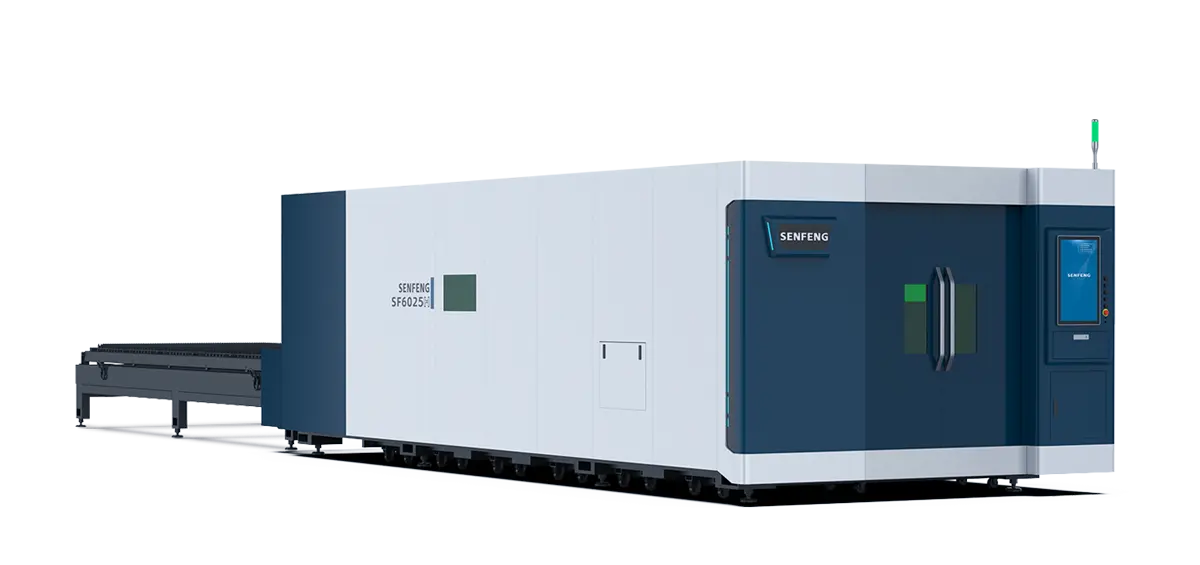
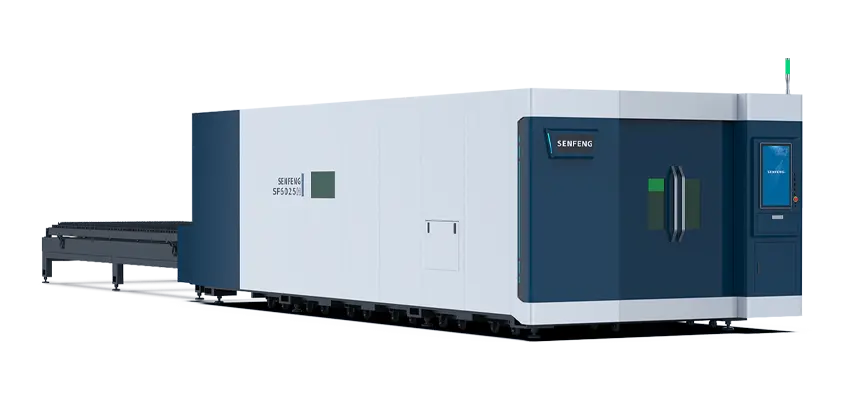
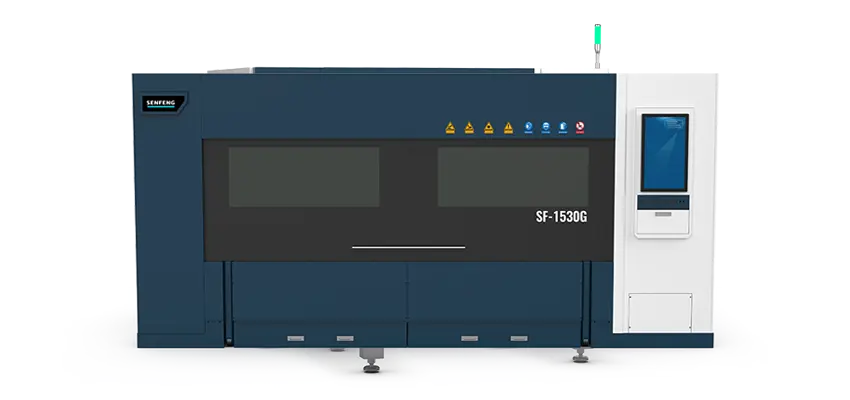
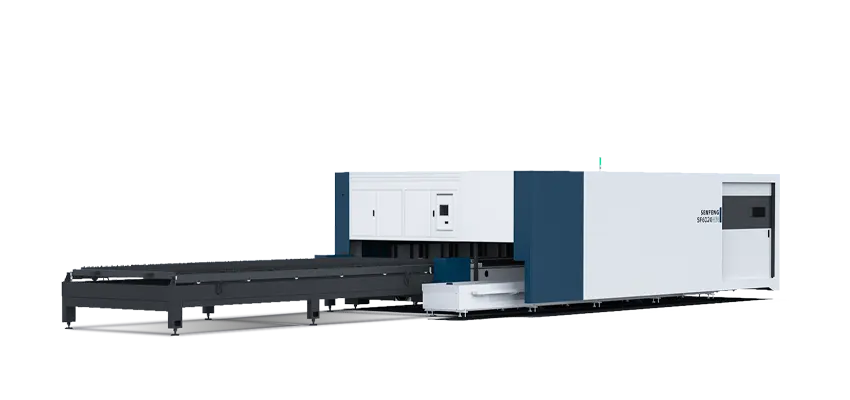
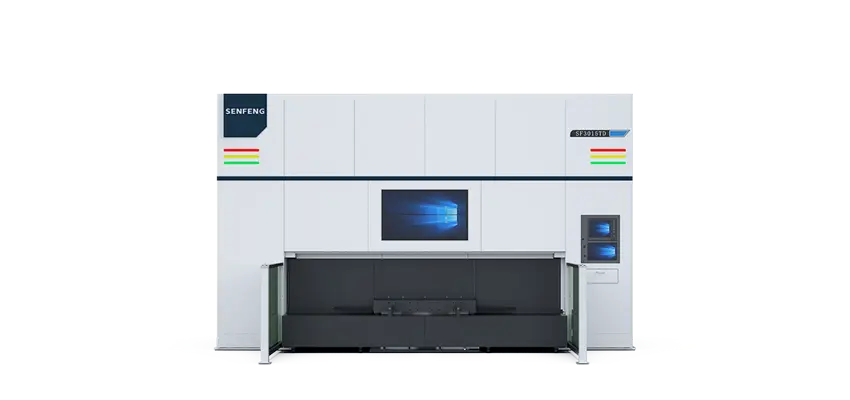
- SENFENG SF1530G: A single-table fiber laser cutter (cutting area~3050 x 1530 mm) with power options typically in the 1kW-3kW range. Capable of cutting up to 12 mm stainless steel, 20 mm mild steel, 10 mm aluminum, and 8 mm copper. This model balances size and performance–ideal for shops processing standard 4’×10′ or 5′×10′ sheets.
Fiber Laser Sheet Cutter SF1530G

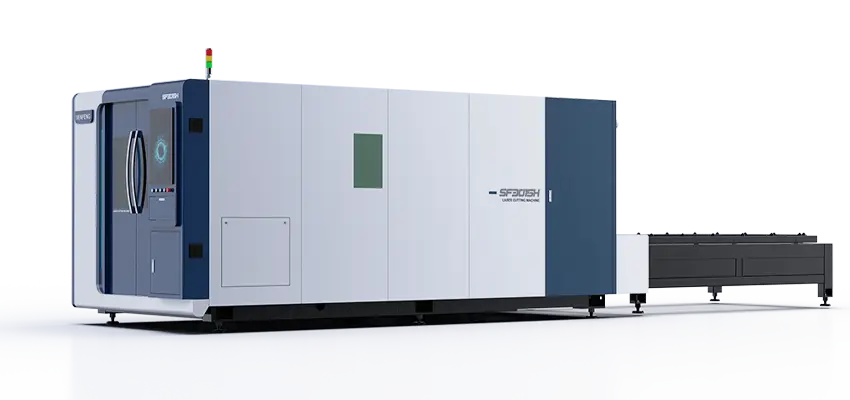
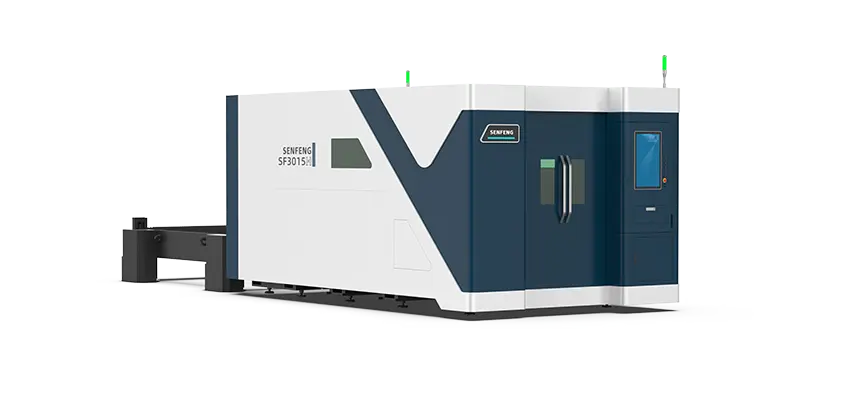
- SENFENG SF3015H: An ultra-high-power heavy-load machine (working area~3000 x 1500 mm) with power options from around 1.5 kW up to 12 kW or more and maximal speeds around 100 m/min or higher accuracy turnout. Perfect for industrial-scale production where thicker materials and high throughput are required.