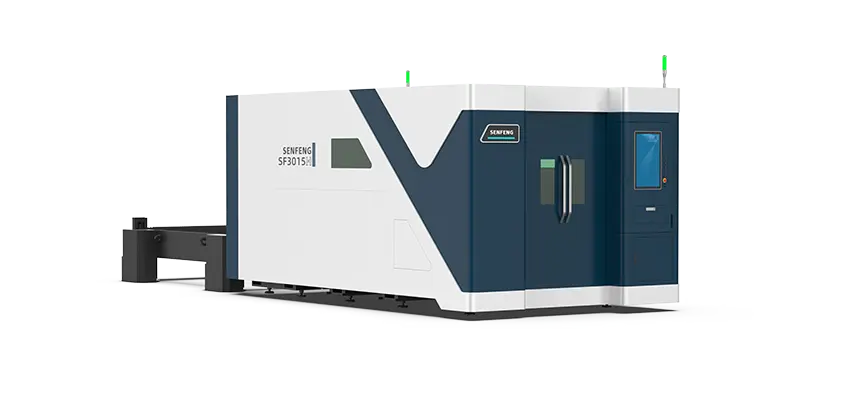
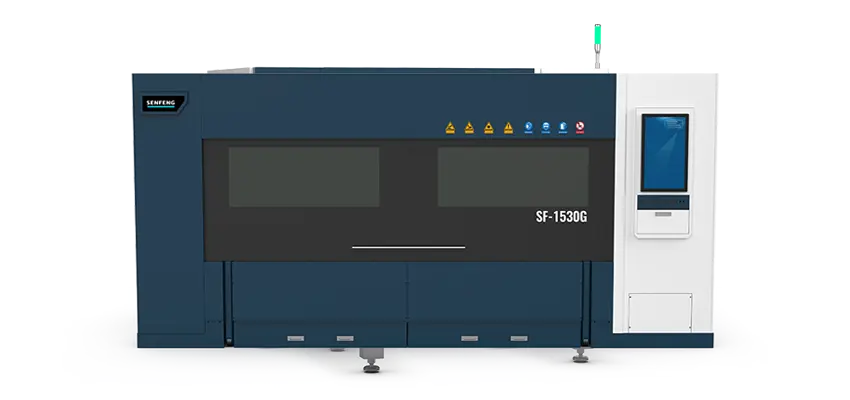
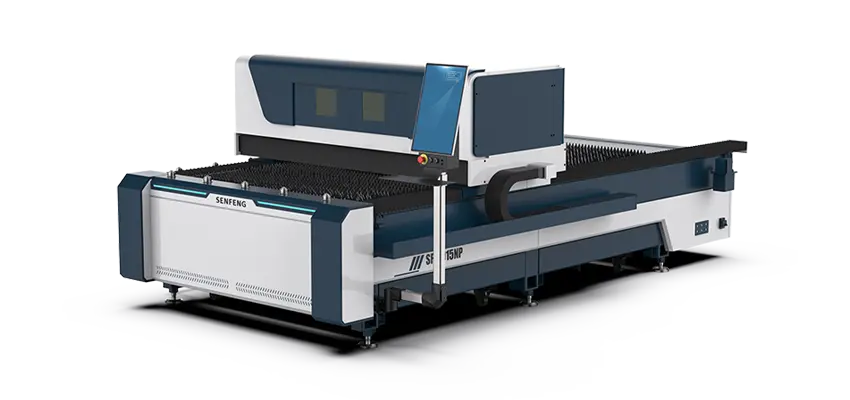
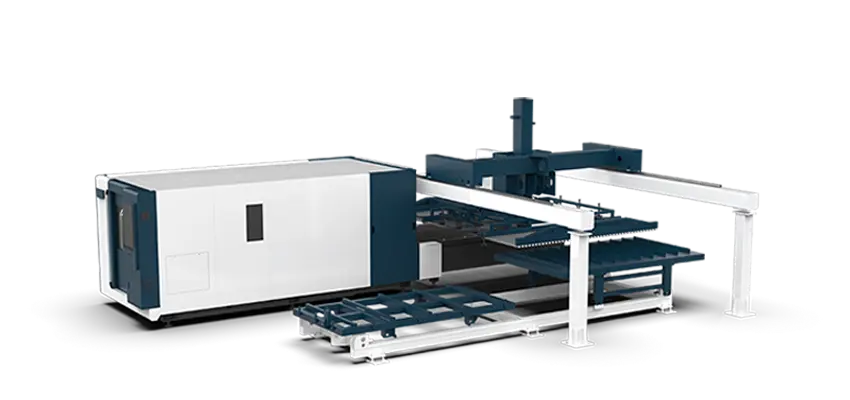
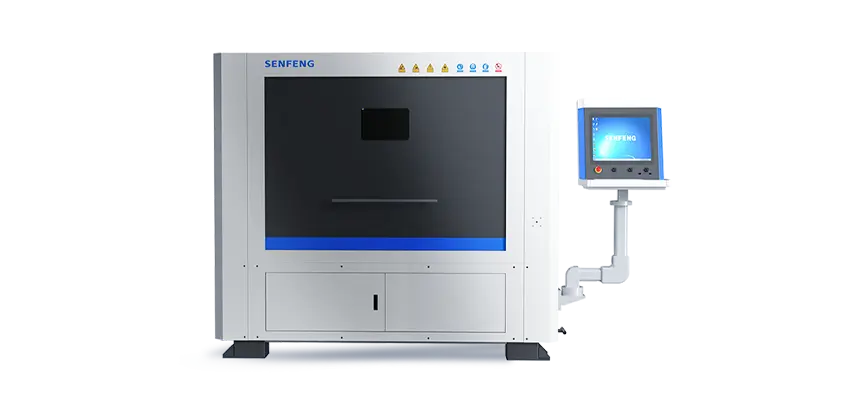
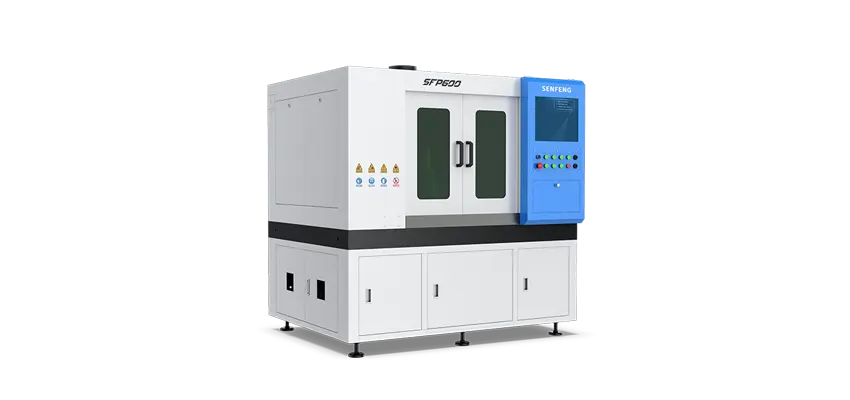
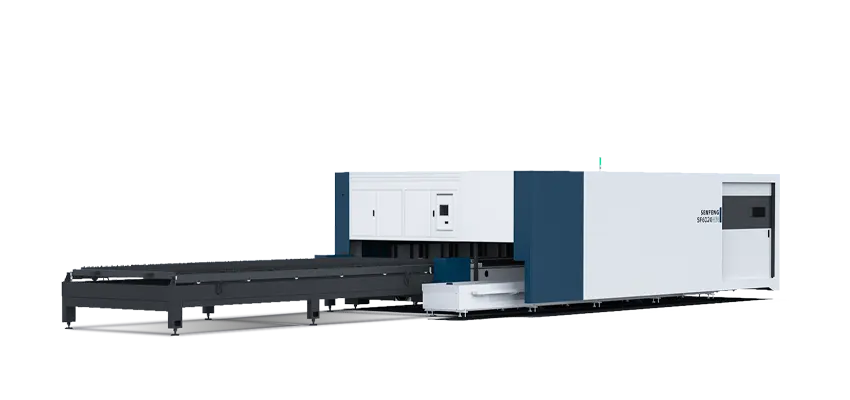
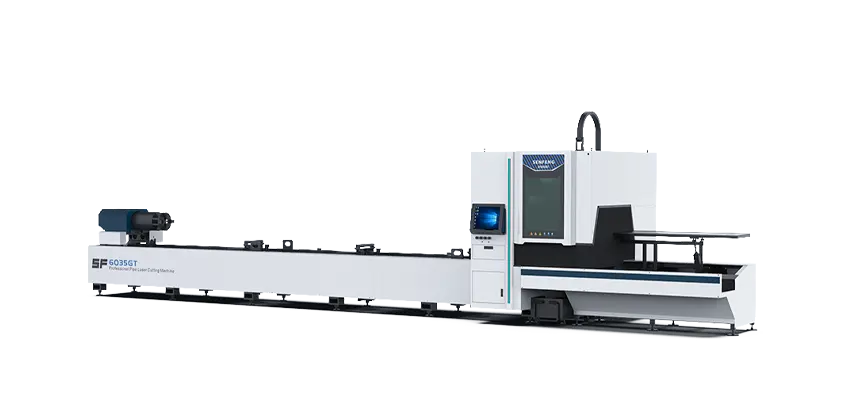

How Large-Format Laser Cutters Boost Manufacturing Efficiency
Introduction
Every fabrication workshop faces similar challenges:
- Production deadlines getting tighter
- Labor costs continue to rise
- Material costs are squeezing profit margins
- Errors and rework quietly reduce profitability
Imagine a U.S. fabrication shop processing dozens of 5′ × 10′ metal sheets throughout the day. Every sheet has to be positioned multiple times, aligned, cut, and then handled carefully for the next operation. A small misalignment or delay may seem insignificant, but multiply it over hundreds of sheets, and it can cost hours of labor and thousands of dollars in lost efficiency.
This is where large-format laser cutters completely change the game. They allow manufacturers to handle oversized sheets in one setup, reduce material handling, improve cutting precision, and enable automation–bringing measurable efficiency improvements to real production.
I. What Are Large-Format Laser Cutters Designed For
Large-format laser cutters are specialized machines designed for processing oversized metal sheets and heavy-duty fabrication tasks that exceed the capabilities of standard laser cutting systems. Combining ultra-large working areas, high-power laser sources, and advanced automation technologies, these machines help manufacturers:
- Process large or complex components in a single setup
- Reduce material handling and secondary operations
- Improve production throughput and part consistency
- Integrate with intelligent workflows and factory automation
They are widely used in industries such as steel structures, heavy machinery, shipbuilding, and construction equipment manufacturing, where efficiency, precision, and scalability are critical. By enabling more parts to be processed per sheet and minimizing manual intervention, large-format laser cutters transform production workflows and drive measurable efficiency gains.
II. What Make Large-Format Laser Cutters Different
Large-format laser cutter is not just about bigger machines. They represent a more efficient production workflow and manufacturing mindset.
Key advantages include:
- Cutting beds can handle sheets as large as 8′ × 20′ or more
- High-power fiber lasers cut thicker metal faster and more precisely
- Advanced software integrates nesting, production scheduling, and machine monitoring
The result is less manual intervention, fewer errors, and higher predictability for every batch.
1. Higher Throughput Without Increasing Labor
A large-format laser cutter allows multiple parts to be cut from one oversized sheet. For manufacturers, this means:
- Up to 3-4 times more parts per sheet than standard machines
- Reduced idle time as fewer setups are needed
- Faster order fulfillment for high-volume production
For example, a steel cabinet manufacturer using a 8′ × 20′ laser cutter can process an entire batch of panels in a single cycle instead of cutting multiple smaller sheets separately. Daily output increases dramatically without adding extra operators or equipment.
2. Reduced Material Handling Time and Risk
Manual repositioning is one of the biggest hidden efficiency killers in sheet metal fabrication.
Every time a sheet is moved:
- Operators spend valuable time aligning and clamping materials
- Sheets may warp, scratch, or deform during handling
- Alignment errors can lead to wasted material and rework
Large-format laser cutters reduce these risks by allowing oversized sheets to be processed in fewer steps. Operators spend less time moving heavy materials and more time monitoring production.
In many factories, this reduction in handling time improves production efficiency by 20-30%.
3. Smarter Material Usage With Nesting Software
Material costs are a major concern. Large-format laser cutters often integrate intelligent nesting software that arranges parts to minimize scrap:
- Optimized part layout uses more of the sheet
- Reduces leftover scraps by 10–15%
- Lowers raw material cost per batch
For high-volume fabrication, this can translate to thousands of dollars in savings per month, directly improving the bottom line.
4. Consistent Quality and Less Rework
Nothing kills efficiency faster than rework. Misaligned cuts, rough edges, and inconsistent dimensions create delays and additional labor costs.
Large-format laser cutters minimize these issues:
- Sheets remain fixed during cutting
- Cutting paths are consistent across the entire sheet
- Edge quality and dimensional accuracy are highly stable
As a result, many factories experience up to a 25% reduction in rejected parts, improving downstream processes such as bending, welding, and assembly.
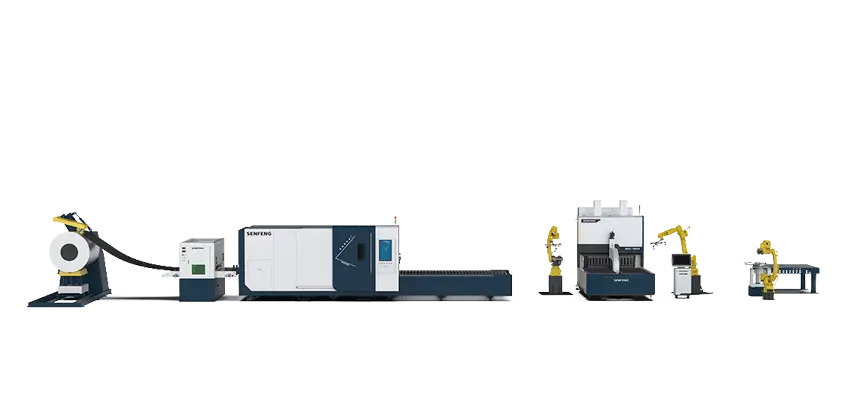
5. Automation Integration for Real “Lights-Out” Production
The modern factory demands more than speed–it demands continuous, unattended production.
Large-format laser cutters integrate with:
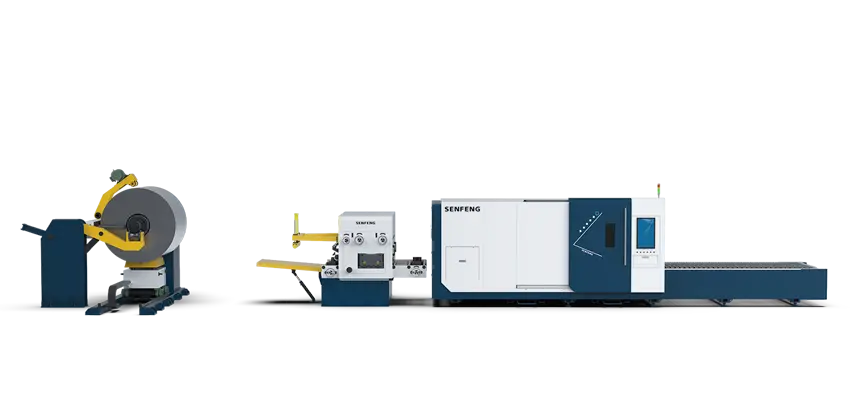
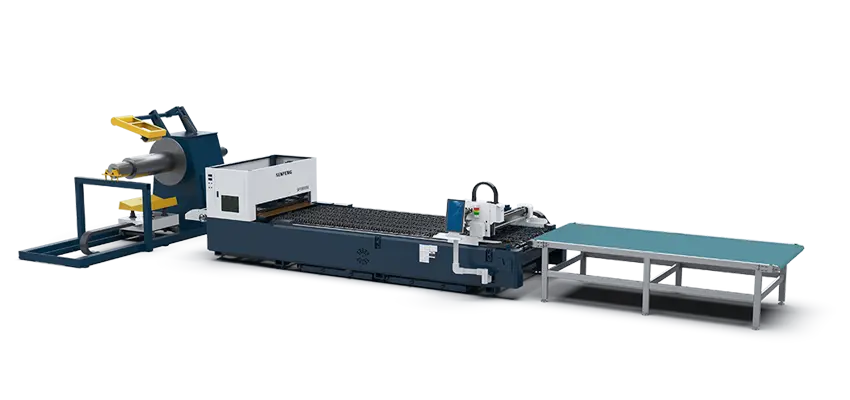
- Automatic loading and unloading devices
- Real-time monitoring dashboards
- Predictive maintenance software
This allows manufacturers to operate production lines for extended hours with minimal supervision, increasing machine utilization rates to as high as 90%-95%.
6. Lower Cost per Part Over Time
Although the initial investment in a large-format laser cutter is higher, long-term production costs decrease significantly.
Cost savings come from:
- Increased output per sheet
- Reduced labor and handling
- Less scrap material
- Fewer production interruptions
Manufacturers often find that ROI is achieved within 18-24 months, depending on production volume and material cost savings.
7. Industries Where Large-Format Cutting Makes the Most Impact
The advantages of large-format laser cutters are especially noticeable in industries producing large or complex components, including:
- Automotive: chassis panels, body frames
- Heavy machinery: equipment housings, steel frameworks
- Construction: structural steel beams, prefabricated panels
- Industrial enclosure: electrical cabinets, HVAC components
- Aerospace and shipbuilding: large, precise components
In these sectors, even small efficiency gains can improve delivery times, reduce labor, and boost profits.
8. Practical Challenges and Considerations
To fully realize these benefits, manufacturers must plan for:
- Factory space for large machines
- Skilled operators familiar with automation and software
- Maintenance of high-power laser systems
- Integration with existing workflows
Failing to address these can reduce the real efficiency gains, even with top-tier equipment.
9. Future Trends in Large-Format Laser Cutter
The next generation of large-format laser cutting focuses on intelligence and autonomy:
- Multi-function processing, including powder marking and physical engraving
- Dual-head cutting systems for increased throughput
- Predictive maintenance and real-time monitoring
- Higher-power lasers for thicker metals and faster cutting
- Full integration into smart factories and digital twins
These trends promise even more reliable, high-speed, and cost-efficient production environments.
III. SENFENG TX Series for Heavy-Duty Fabrication
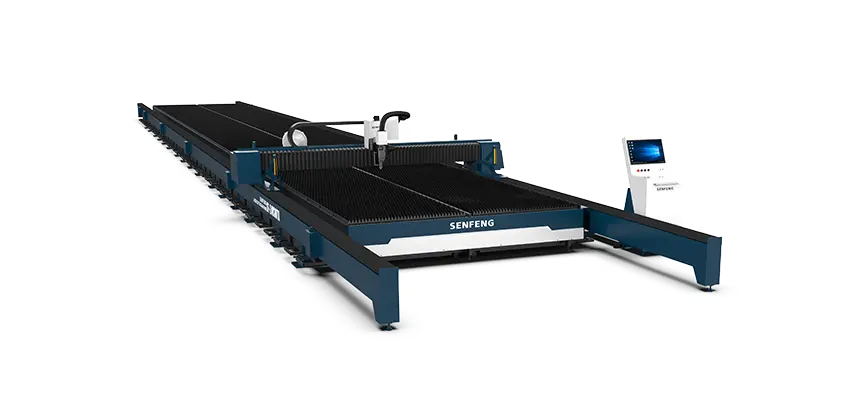
As manufacturing demands continue to grow, many production environments require more than a standard large-format laser cutter. When dealing with extra-large steel plates, complex geometries, and tight production schedules, efficiency depends not only on cutting speed but also on system capability and workflow integration.
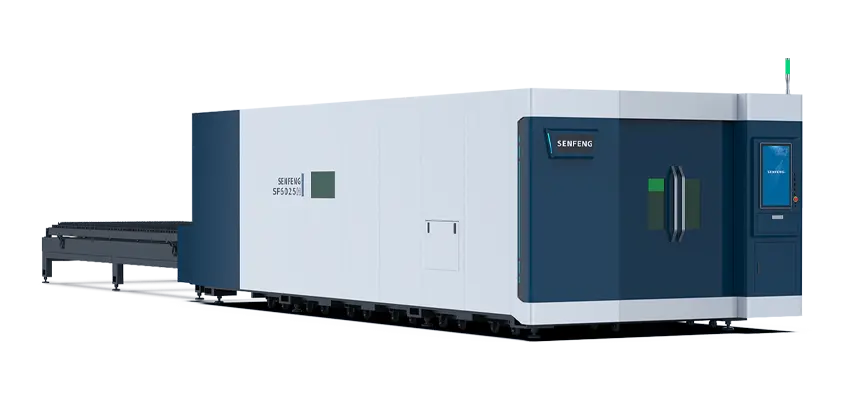
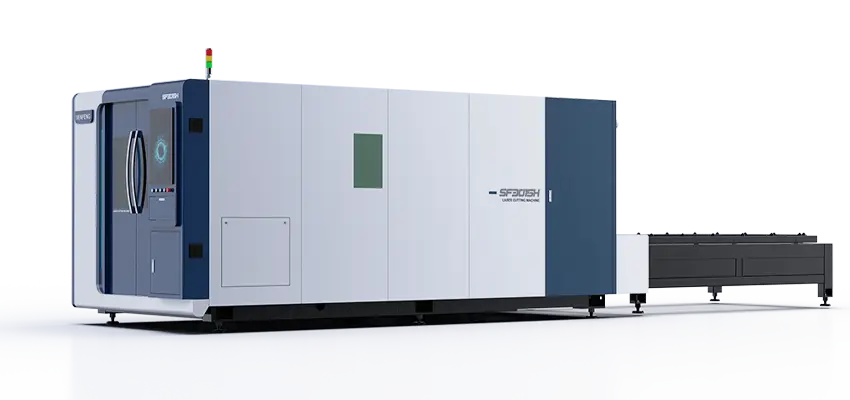
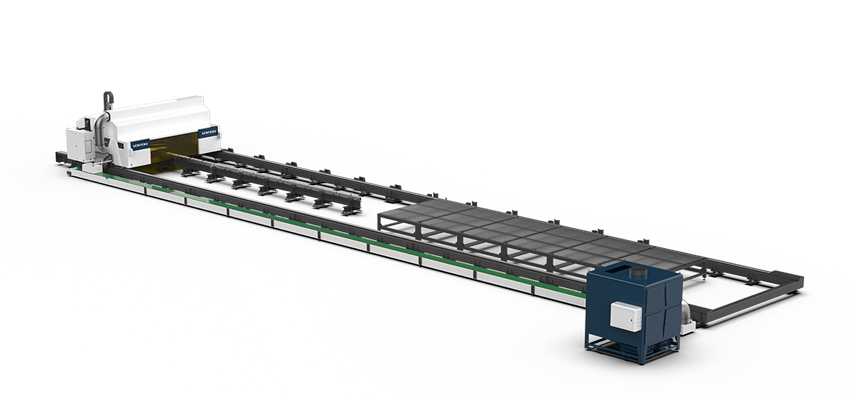
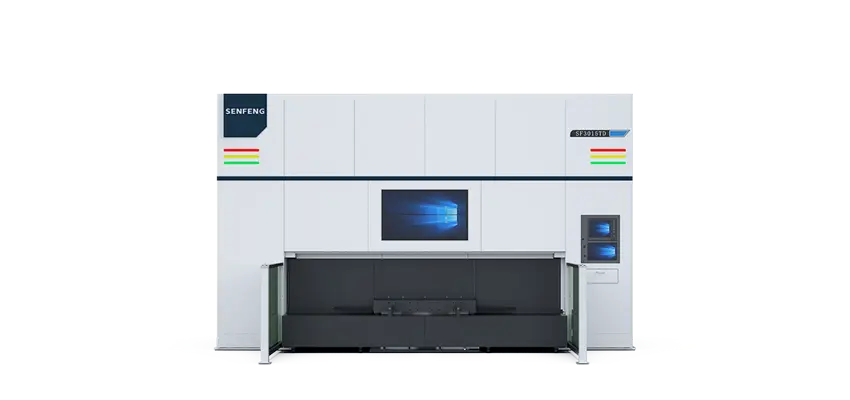
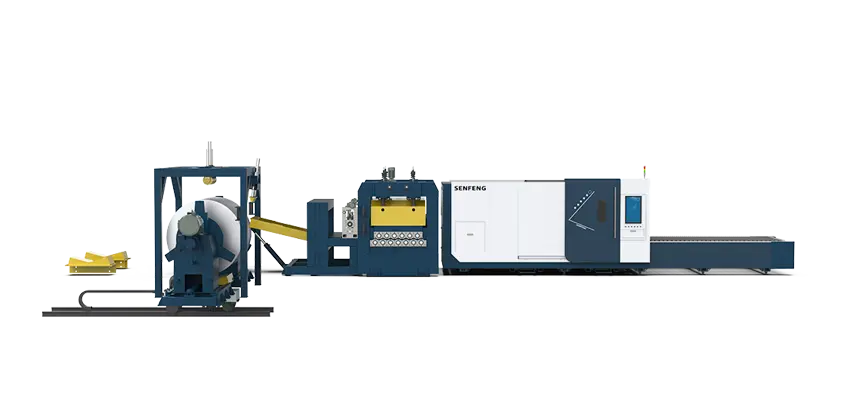
SENFENG’s TX Series Ultra-Large Beveling Plate Laser Cutter is designed for high-performance sheet metal fabrication, combining ultra-large cutting capacity with high-precision bevel cutting in a single machine.
Key Advantages:
- Ultra-large cutting capacity for oversized steel plates
- Integrated bevel cutting for welding preparation and structural components
- High-power fiber laser technology for fast and stable cutting performance
- Intelligent nesting system to maximize material utilization
- Automation-ready design for continuous, high-volume production
By processing large sheets in fewer setups, the TX Series reduces material handling, minimizing secondary operations, and increases overall throughput.
Industries such as steel structure fabrication, heavy machinery, shipbuilding, and construction equipment manufacturing can benefit from faster production cycles, consistent part quality, and reduced labor costs with this machine.
Conclusion
Large-format laser cutters don’t just improve cutting speed–they transform production workflow.
- Reduce downtime and handling
- Improve material usage and reduce scrap
- Deliver consistent quality with fewer errors
- Enable automation and smart production
For manufacturers, these machines turn production bottlenecks into smooth, predictable workflows, allowing companies to meet deadlines, reduce costs, and scale efficiently.
Investing in large-format laser cutter is no longer just a technological upgrade – it’s a strategic move for modern manufacturing efficiency.