
How to Choose the Right Fiber Laser Cutting Machine Power
Introduction
Choosing the right fiber laser cutting machine power is one of the most important decisions for any metal fabrication business in the United States. Whether you are purchasing your fiber laser cutter or upgrading an existing production line, selecting the appropriate power level directly affects cutting quality, production efficiency, operating costs, and return on investment.
Many U.S. buyers assume that higher power is always better. In reality, the ideal laser power depends on factors such as material thickness, production volume, product mix, and future business growth.
This guide explains how different power ranges perform and helps you determine which fiber laser cutting machine is best suited for your manufacturing needs in the U.S.
I. Why Laser Power Matters
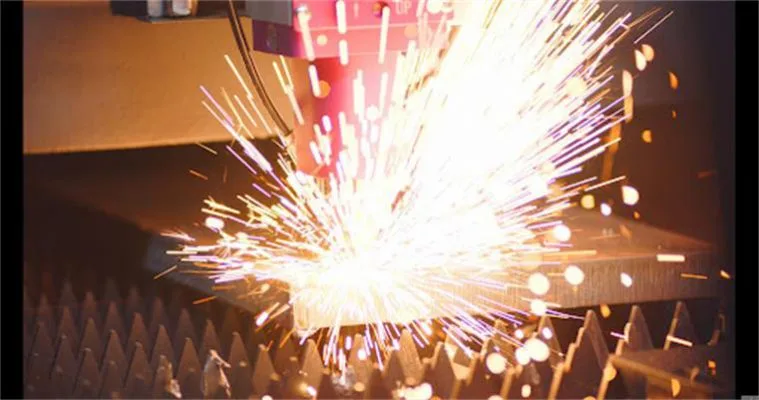
Laser power determines how much energy is delivered to the material during the cutting process.
As power increase, manufacturers can typically achieve:
- Faster cutting speeds
- Higher productivity
- Better thick-plate processing capability
- Reduced processing time per part
However, high power also brings:
- Higher equipment investment
- Increased energy consumption
- Larger cooling requirements
- Higher operation costs
The goal is not to purchase the highest-power machine available, but to choose the power level that provides the best balance between performance and cost.
II. Key Factors to Consider Before Choosing Laser Power
Before selecting a machine, evaluate the following factors:
Material Type
Different metals respond differently to laser energy.
Common materials include:
- Carbon steel
- Stainless steel
- Aluminum
- Brass
- Copper
Some reflective materials, such as brass and copper, may require high power levels to achieve optimal cutting performance.
Material Thickness
Thickness is often the most important factor when choosing laser power in U.S. fabrication shops.
For example:
- Thin sheets require less power and can be processed efficiently with lower-wattage machines.
- Medium-thickness materials benefit from higher power for increased speed.
- Thick plates typically require high-power laser systems to maintain productivity.
Production Volume
A workshop producing custom parts in small batches has very different requirements from a factory operating multiple shifts per day.
Higher production volumes generally justify investing in higher-power equipment because faster processing speeds reduce production costs over time.
Future Expansion Plans
Many U.S. manufacturers purchase machines based solely on current needs. However, production demands often increase as businesses grow.
Selecting a machine with room for future expansion can help avoid costly upgrades later.
III. Understanding Different Fiber Laser Power Ranges
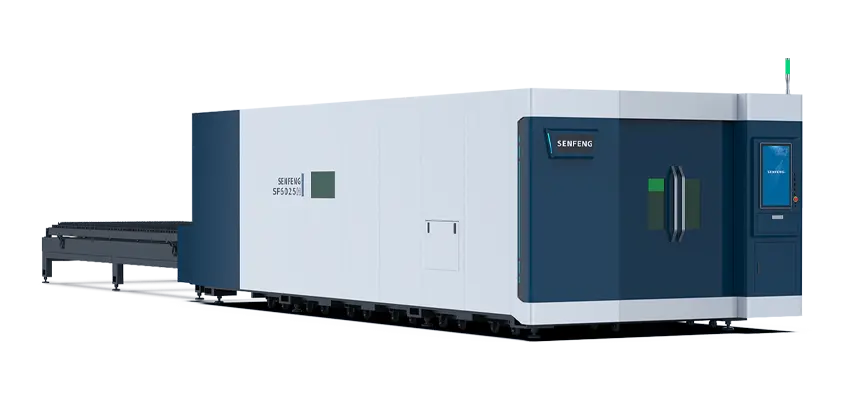
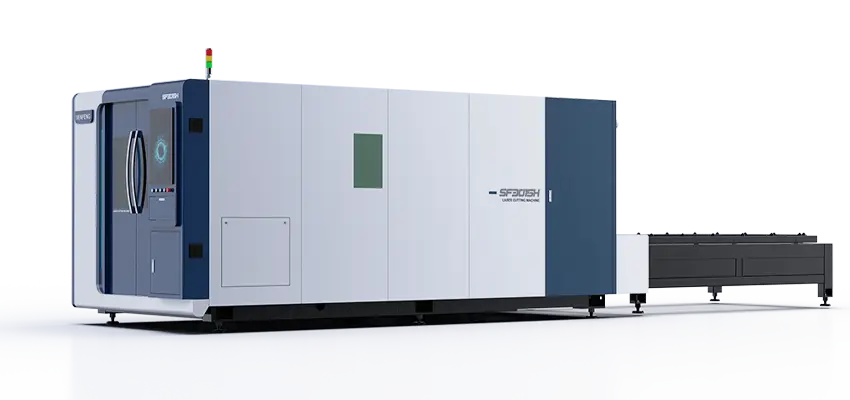
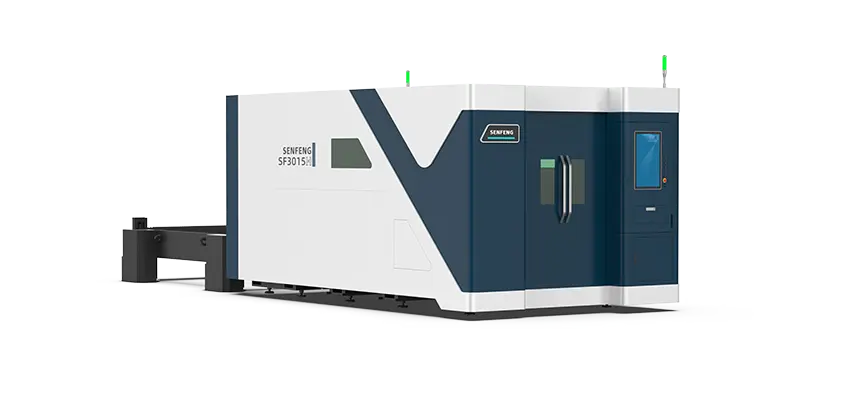
Below is a reference table of SENFENG machines and their practical cutting thickness ranges, based on real tests and production experience:
| Model | Power | Carbon Steel | Brass | Stainless Steel | Aluminum | Typical Application |
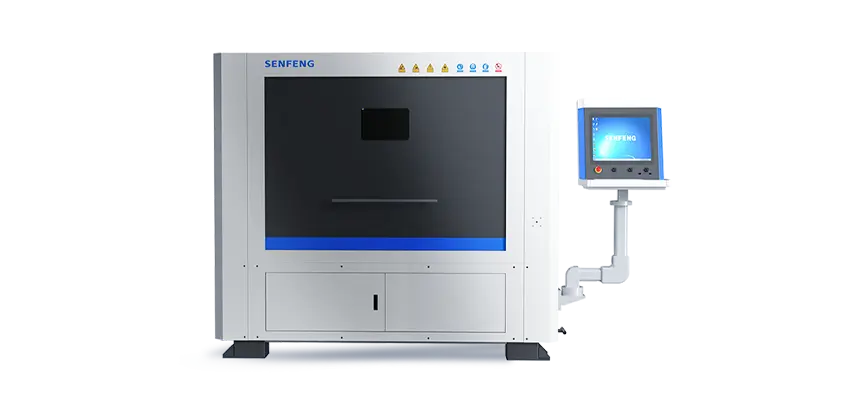
| SF1313G | 1.5-3kW fiber laser | ≤ 16 mm | ≤ 5 mm | ≤ 8 mm | ≤ 6 mm | High-precision small parts, hardware |
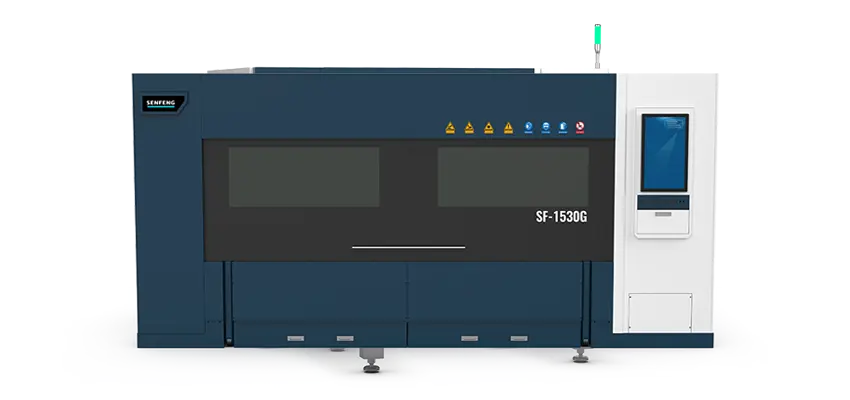
| SF1530G | 3kW-6kW fiber laser | ≤ 20 mm | ≤ 6 mm | ≤ 16 mm | ≤ 10 mm | Sheet metal fabrication, kitchen equipment, metal furniture |
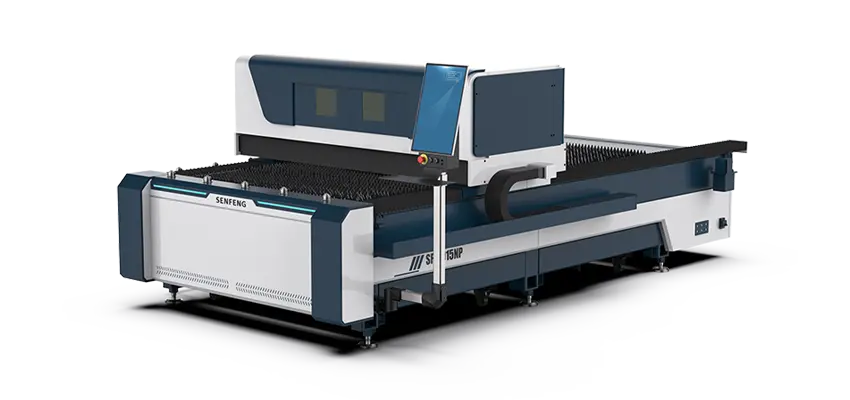
| SF3015NP | 6-12kW fiber laser | ≤ 25 mm | ≤ 12 mm | ≤ 25 mm | ≤ 20 mm | Agri machinery, electrical cabinets, industrial fabrication workshops |
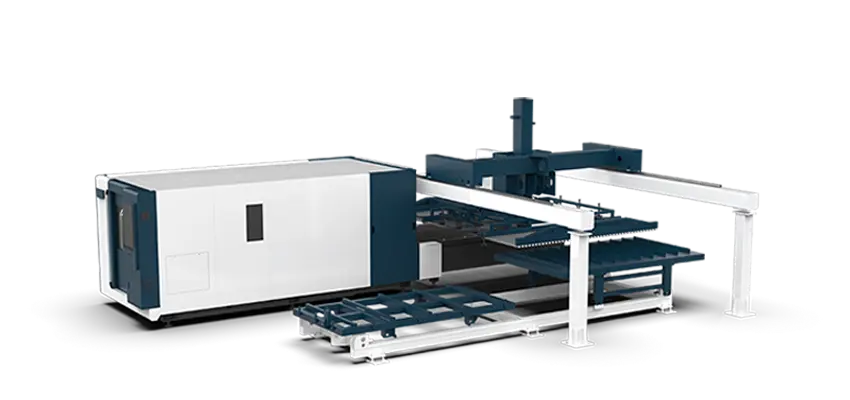
| SF3015H | 12kW-30kW fiber laser | ≤ 60 mm | ≤ 20 mm | ≤ 50 mm | ≤ 40 mm | Heavy-duty fabrication, structural steel, automotive components |
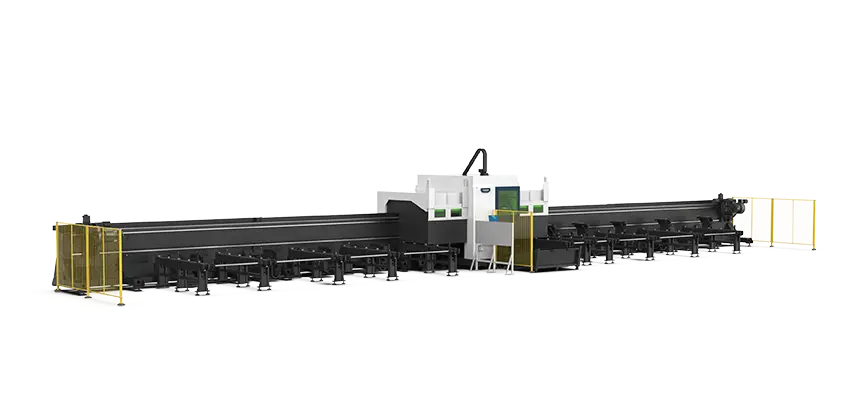
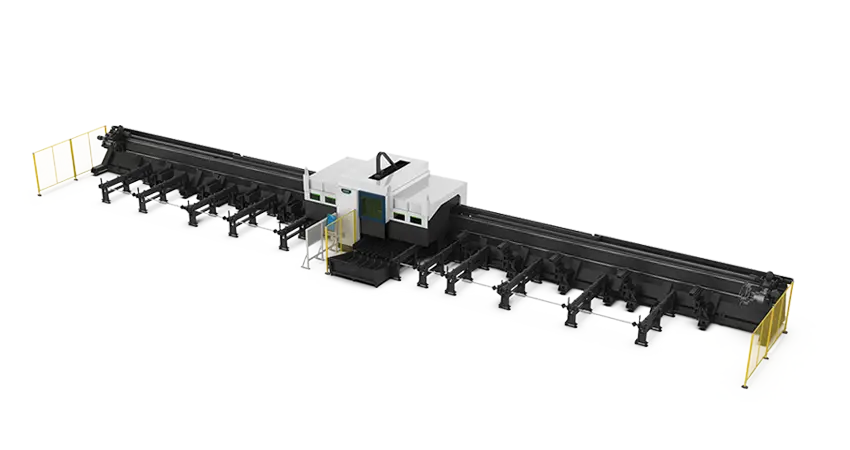
| R Series | 30kW-80kW fiber laser | ≤ 160 mm | ≤ 16 mm | ≤ 150 mm | ≤ 40 mm | Large steel processing centers, shipbuilding, automated production lines |
1.5-3kW Fiber Laser: Precision Cutting for Thin Materials
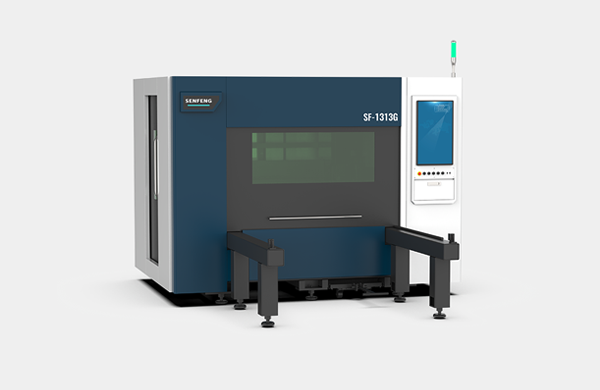
This power range is suitable for cutting thin sheets.
Applications include:
- High-precision hardware
- Decorative metal parts
- Small workshops
3kW-6kW Fiber Laser: Ideal for Thin-to-Medium Sheet Processing
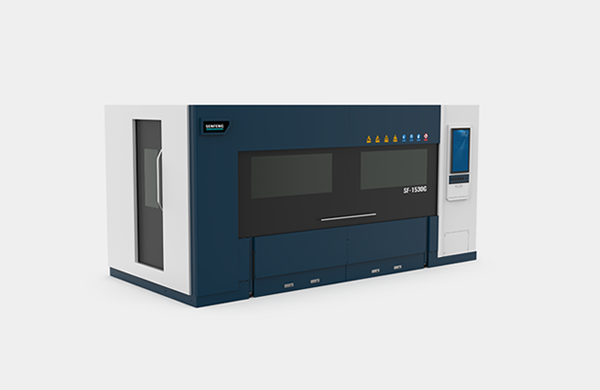
The power range remains one of the most popular choices worldwide.
Suitable applications include:
- Sheet metal fabrication
- Electrical cabinets
- Kitchen equipment
- Metal furniture
- Decorative metal products
Advantages:
- Lower investment cost
- Lower operating expenses
- Excellent cutting quality on thin materials
- Fast return on investment
Best for manufacturers processing primarily thin to medium-thickness metals.
6kW-12kW Fiber Laser: Versatile Range for Growing Production
As production demands increase, many businesses move into the 6kW-12kW range.
Benefits include:
- Higher cutting speeds
- Greater versatility
- Improved performance on thicker materials
- Increased productivity
This range is often considered the best balance between machine cost and production efficiency.
Typical industries include:
- Agricultural machinery
- Automotive components
- Construction equipment
- Elevator manufacturing
- General industrial fabrication
12kW-30kW Fiber Laser: Designed for Heavy-Duty Production
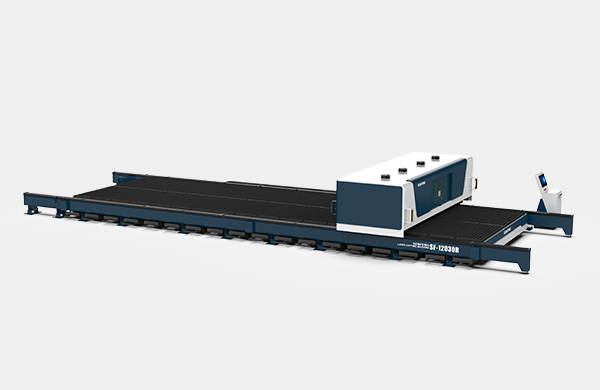
Manufacturers processing thicker materials or operating at high production volumes often choose machines in this category.
Advantages include:
- Faster piercing times
- Higher throughput
- Better thick-plate performance
- Reduced cost per part in large-scale production
These systems are commonly used in:
- Heavy equipment manufacturing
- Structural steel fabrication
- Industrial machinery production
- Large metal processing centers
30kW-60kW and Above Fiber Laser: Maximum Productivity
Ultra-high-power fiber laser cutting machines are designed for demanding industrial environments.
Their primary purpose is to:
- Maximize productivity
- Process thick materials efficiently
- Reduce production bottlenecks
- Support automated manufacturing systems
They are commonly found in large factories where production efficiency directly impacts profitability.
While these machines require a larger investment, they can significantly reduce processing costs in high-volume operations.
IV. How to Match Laser Power to Your Business
Choose Lower Power If:
- Most materials are thin sheet metal
- Production volume is relatively low
- Budget is limited
- Fast ROI is a priority
Choose Medium Power If:
- You process a wide range of materials
- Production demand is growing
- Efficiency is becoming increasingly important
Choose High Power If:
- Thick plate cutting is a major part of production
- You operate multiple shifts
- Production bottlenecks affect delivery times
- Automation and scalability are long-term goals
V. Common Mistakes When Choosing Laser Power
Buying More Power Than Needed
Some U.S. buyers assume the highest power machine will always provide the best value.
In reality, excess power can increase investment and operating costs without delivering meaningful benefits for thin-sheet applications.
Focusing Only on Purchase Price
A lower-priced machine may appear attractive initially, but reduced productivity can increase long-term manufacturing costs.
Ignoring Future Growth
Purchasing equipment solely for current production needs may limit future expansion opportunities.
A machine should support not only today’s workload but also tomorrow’s business growth.
VI. Which Fiber Laser Power Offers the Best ROI?
There is no universal answer, as return on investment depends on production structure, material mix, and long-term manufacturing goals.
Instead of focusing only on laser power levels, manufacturers should evaluate ROI from a production efficiency perspective:
Production Efficiency vs. Investment Cost
- Lower-power machines offer faster payback for businesses focused on thin-sheet processing and small to medium production batches, where operating costs and initial investment are critical.
- Medium-power machines are often the most-effective solution for most workshops, as they balance cutting speed, material versatility, and overall equipment utilization rate. This makes them suitable for manufacturers experiencing steady business growth.
- High-power machines are designed for continuous production environments where cutting thick materials and maximizing throughput are the top priorities. In such cases, higher equipment investment is offset by significantly reduced processing time per part.
Key Decision Principle
The best ROI is achieved when machine capacity closely matches real production demand. Over-specifying power increases capital and operating costs, while under-specifying limits productivity and scalability.
Conclusion
Choosing the right fiber laser cutting machine power requires more than comparing wattage numbers. U.S. manufacturers must evaluate material thickness, production volume, operating costs, and future growth plans.
Lower-power machines offer excellent value for thin-sheet fabrication, while high-power systems deliver superior productivity for demanding industrial applications.
By aligning laser power with actual production requirements, businesses can maximize efficiency, improve profitability, and achieve a stronger return on investment.
Ultimately, the best fiber laser cutting machine is not the most powerful one–it is the one that best supports your manufacturing objectives.