
Tube Laser Cutter Buying Guide: FAQ for Beginners
If you are a beginner in tube fabrication filed, choosing the right tube laser cutter can feel overwhelming. With different machine types, power levels, and automation options available, many buyers are unsure where to start.
The beginner-friendly guide answers the most common questions about tube laser cutting machines, helping you understand how they work and how to choose the right machine for your business.
I. What Is a Tube Laser Cutter?
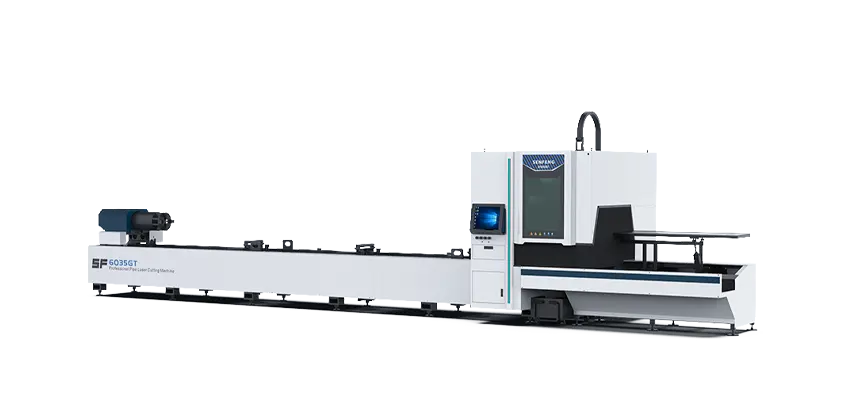
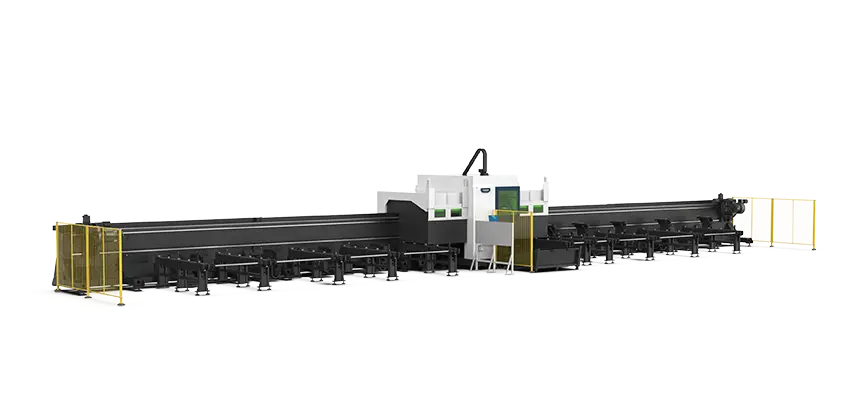
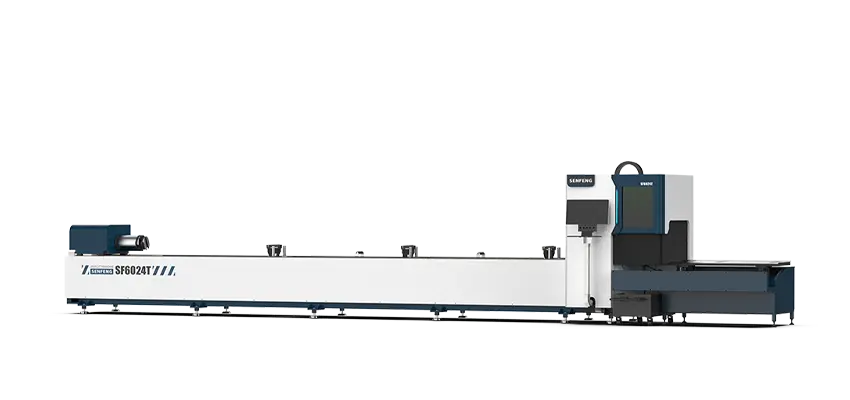
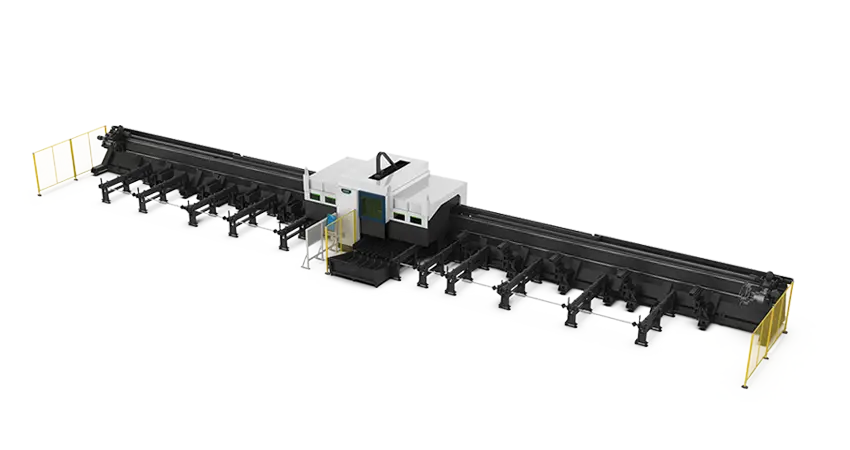
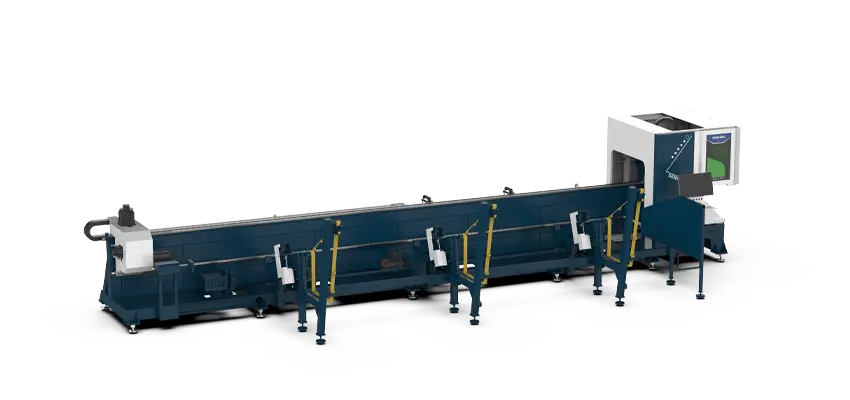
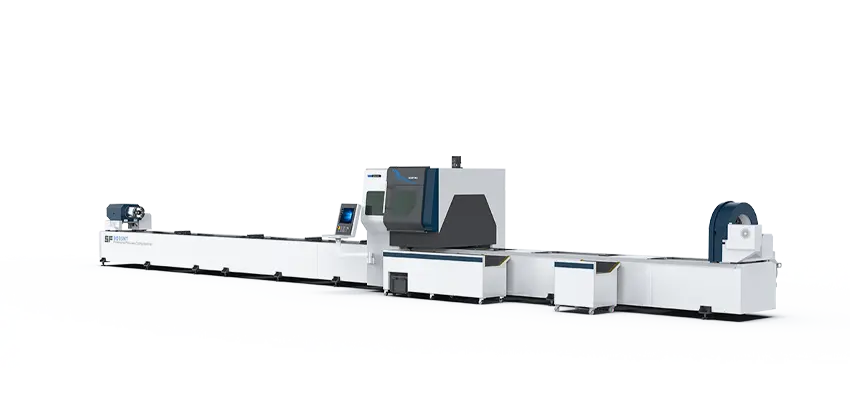
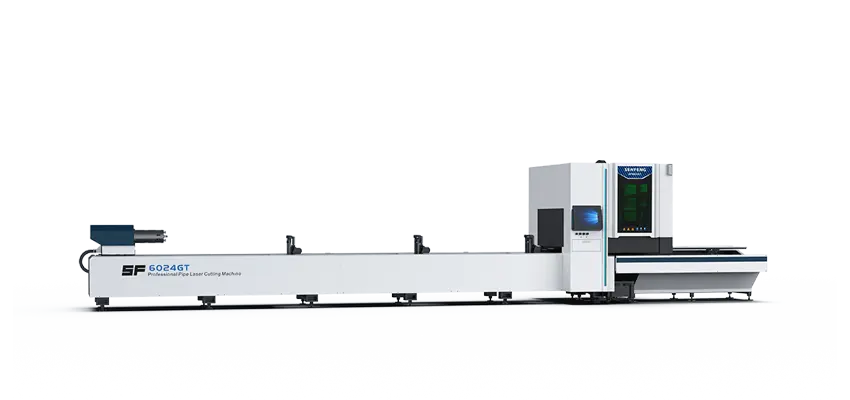
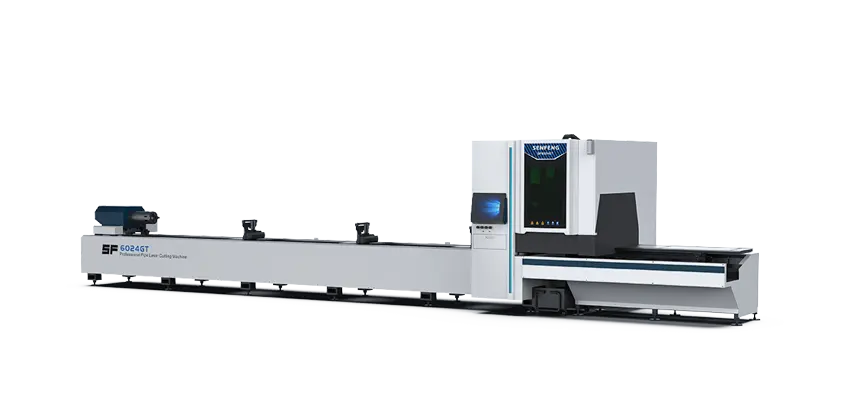
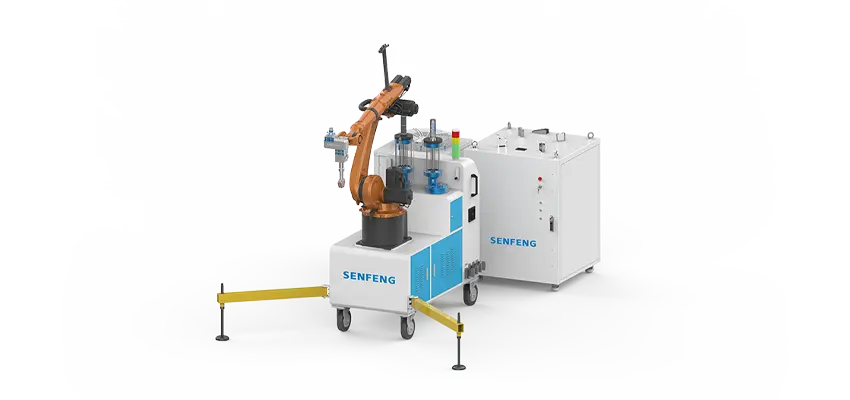
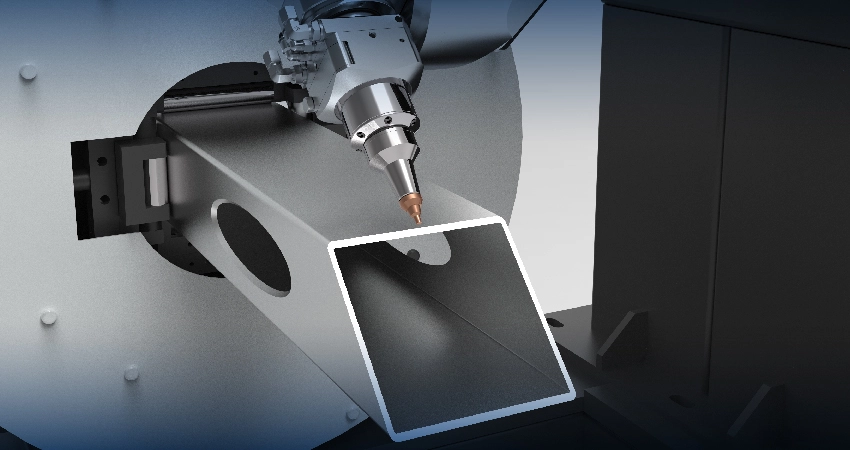
A tube laser cutter is a CNC machine that uses a high-power fiber laser beam to cut metal tubes with high precision. Unlike traditional cutting methods such as sawing or drilling, laser cutting can complete complex shapes, slots, holes, and contours in a single operation.
Tube laser cutting machines are widely used in industries such as:
- Metal furniture manufacturing
- Automotive parts production
- Construction and steel structures
- Fitness equipment manufacturing
- Agricultural machinery
- Metal fabrication workshops
Because of its precision and efficiency, tube laser cutting has become a preferred solution for modern metal processing.
II. What materials and shapes can a tube laser cutter process?
Most tube laser cutters are capable of cutting various metal materials and tube profiles.
Common Materials
- Carbon steel
- Stainless steel
- Aluminum
- Galvanized steel
Common Tube Shapes
- Round tubes
- Square tubes
- Rectangular tubes
- I beam
- U beam
- H beam
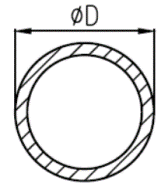

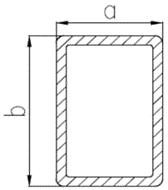
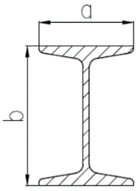
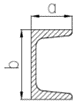

The exact capability depends on the machine configuration and clamping device.
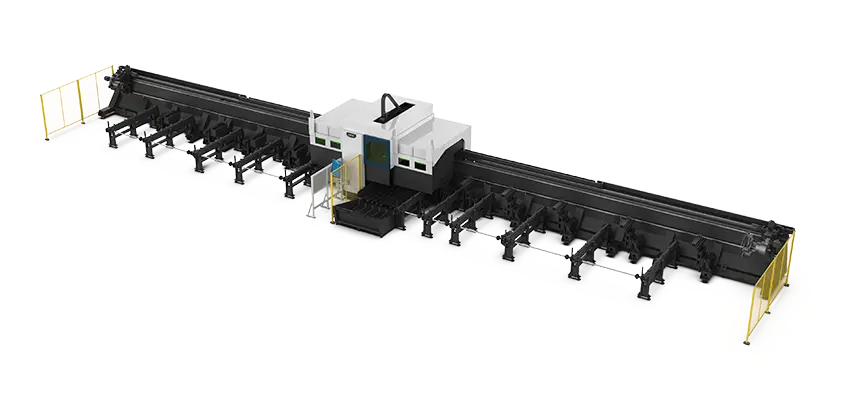
III. What is the difference between 2-Chuck, 3-Chuck, and 4-Chuck Machines?
The chuck configuration holds and rotates the tube. Choosing the right one depends on how much of the tube you want to use (minimizing waste).
- 2-Chuck Machine: The standard setup. One main chuck and one support chuck. Suitable for small, thin tubes.
- 3-Chuck Machine: Allows for “zero tail” cutting. This means you can cut the very end of the tube off without leaving a leftover stub. Ideal for fitness equipment and automotive parts where you want to maximize material usage.
- 4-Chuck Machine: The advanced configuration. Best for heavy, long, or irregularly shaped tubes (square, rectangular). It provides consistent support for the entire length, crucial for shipbuilding and aerospace.
IV. How Do I Choose the Right Laser Power?
Laser power is one of the most important factors when choosing a tube laser cutter.
Typical power options include:
- 1.5kW-3kW: Suitable for thin and medium tubes
- 3kW-6kW: Ideal for general fabrication and medium-thickness tubes
- 6kW+: Designed for heavy industrial cutting
For most small to medium fabrication businesses, 3kW to 6kW is a practical starting point.
V. What is Bevel Cutting, and Do I Need It?
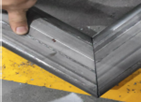
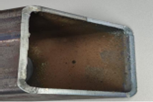
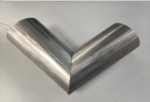
Bevel cutting refers to the ability of the laser head to tilt at an angle (often up to ±45 degrees) while cutting. Instead of just cutting straight through the tube (a 90-degree edge), it cuts a slanted edge. As shown in the following pictures:

Why does this matter?
If you are welding tubes together, a beveled edge is crucial. It allows for deeper weld penetration and a stronger joint. Without it, you often have to do a secondary operation-either grinding a bevel manually or using a separate machine.
Should you buy it?
You need it if: Your workshop does a lot of structural welding, or you frequently produce parts that need to be welded together with strong, clean joints.
You can skip it if: Your parts are mostly decorative, or if they are designed to fit together with a gap (though this usually results in weaker welds).
Integrated bevel cutting on a tube laser eliminates a secondary operation, saving significant time and labor costs.
VI. Key Factors to Consider When Choosing a Tube Laser Cutter?
1. Support Device
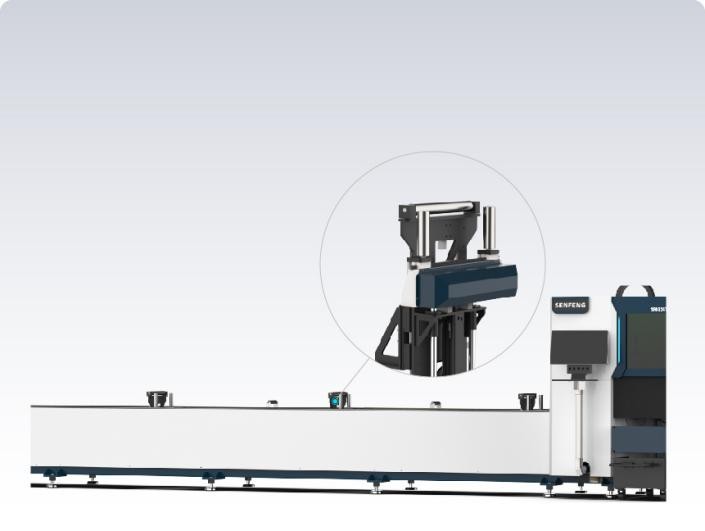
When cutting long, thin-walled tubes, gravity causes the middle of the tube to sag. This misalignment leads to cutting inaccuracies. The type of support device you machine uses is critical for maintaining precision.
- Follow-Up Support Device: Servo-controlled adaptive support automatically adjusts to prevent tube sagging, ensuring alignment with the chuck, suitable for a wide range of tube materials.
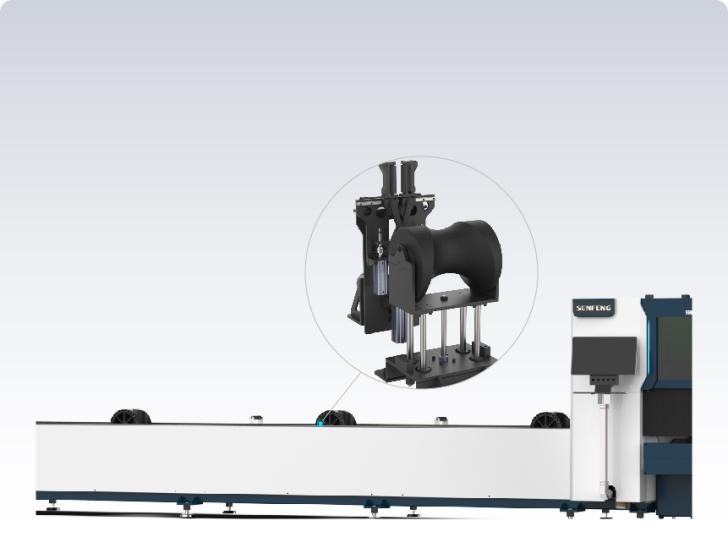
- Vari-Pitch Support Device: Adapts to different tube diameters, supporting round tubes, square tubes, rectangular tubes, and other types of tubes.
2. Tube Diameter Range
Different tube laser cutting machines support different tube diameters. Before purchasing, make sure the machine can handle the minimum and maximum tube sizes used in your production. This will ensure stable clamping and accurate cutting.
3. Tube Length Capacity
This system uses adaptive wheels that automatically adjust to grip different diameters and shapes. It provides stable support for round, square, and rectangular tubes without the need for manual changeovers. It is a robust choice for high-volume production where material changeovers are frequent.
4. Automation Device
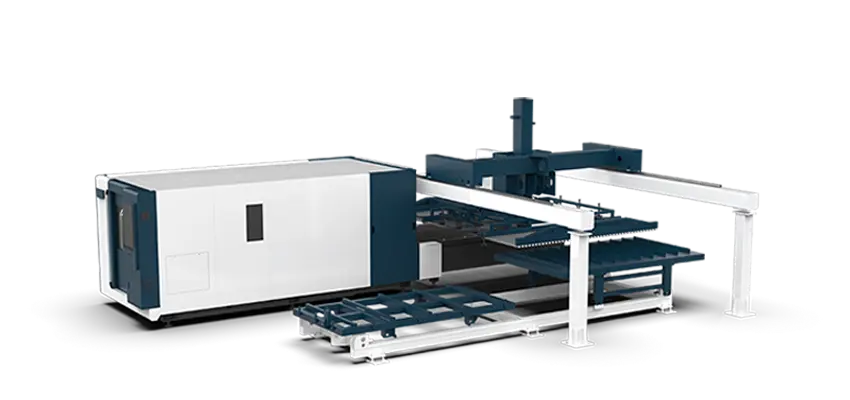
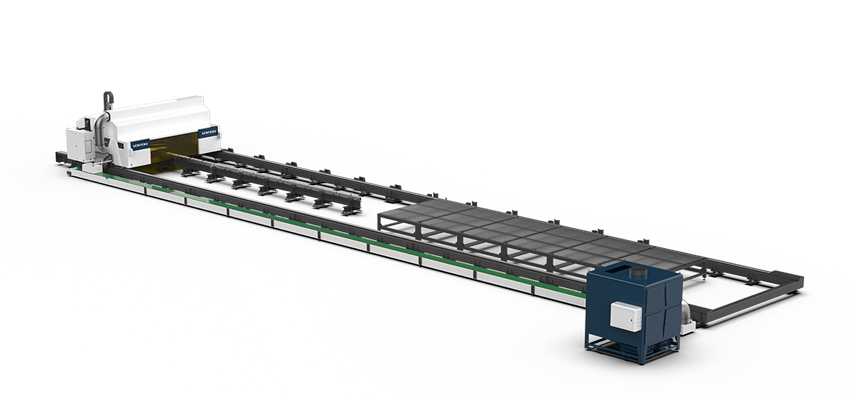
Many modern tube laser cutters can be equipped with automated loading and unloading devices to improve production efficiency. Automation is especially valuable for manufacturers that process large volumes of tube every day.
Automatic loading systems can quickly place raw tubes onto the machine and position them accurately in the chuck. After cutting is completed, automatic unloading devices transfer the finished parts to a collection area in an organized way.
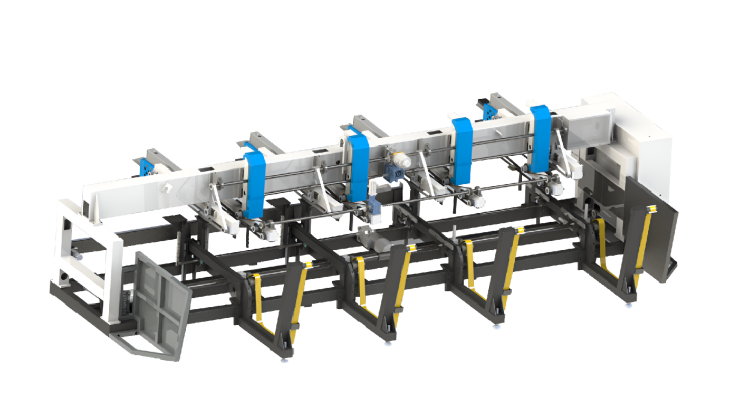
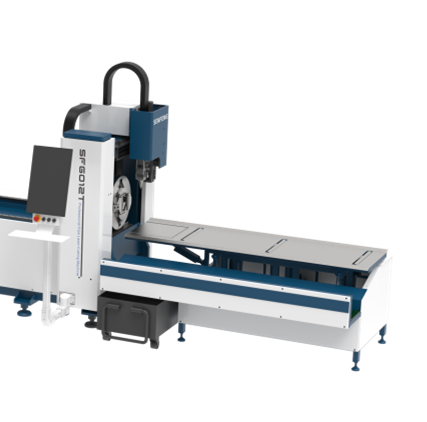
Key benefits of automation include:
- Continuous production with less manual intervention
- Reduced labor costs and operator workload
- Improved workplace safety
Semi-automatic loading devices offer greater versatility in the types of tubes they can handle, making them suitable for a wider range of applications. Fully automated configurations, while convenient, are primarily optimized for standard profiles such as square, round, and rectangular tubes. You can choose the configuration that best fits your their production needs and tube types.
Final Thought
For US fabricators, investing in a tube laser cutter isn’t just about new equipment–it’s about staying competitive. Whether you’re in Texas, Ohio, or California, the right machine helps you win more bids, turn jobs faster, and take on complex work that workshops with old methods simply cannot handle.
Ready to discuss what works for your workshop? Contact us today for a personalized quote and consultation tailored to the US market.