
Laser Cladding vs HVOF: Key Differences and Applications
Introduction
The production line is running at full capacity when suddenly a worn roller starts affecting accuracy.
Maintenance teams step in. Production slows down. Replacement parts need to be ordered again.
For many manufacturers, surface wear is not just a maintenance issue anymore-it directly impacts productivity, delivery schedules, and operating costs.
This is why technologies like laser cladding and HVOF are becoming increasingly important across industries such as:
- mining,
- steel processing,
- aerospace,
- oil & gas,
- and heavy equipment manufacturing.
Both technologies improve wear resistance and extend component life. But they are designed for different manufacturing goals.
HVOF is widely respected for high-quality wear-resistant coating and precision surface protection.
Laser cladding, meanwhile, is attracting growing attention because it goes beyond coating alone–allowing manufacturers to repair, rebuild, and restore high-value components.
So how do these two technologies actually compare in real industrial applications?
I. What Is HVOF?
HVOF (High Velocity Oxygen Fuel) is a thermal spray process that accelerates powder particles toward the component surface at extremely high speed.
The result is a dense, durable coating with:
- excellent abrasion resistance,
- low porosity,
- and smooth surface quality.
HVOF is especially effective for:
- tungsten carbide coatings,
- anti-abrasion surfaces,
- corrosion protection,
- and precision wear-resistant applications.
Because the process introduces relatively low thermal impact, it is widely used for components requiring:
- dimensional stability,
- fine surface finish,
- and minimal deformation.
Common HVOF Applications
- Aerospace landing gear
- Hydraulic rods
- Industrial rollers
- Pump sleeves
- Valves
- Paper industry components
II. What Is Laser Cladding?
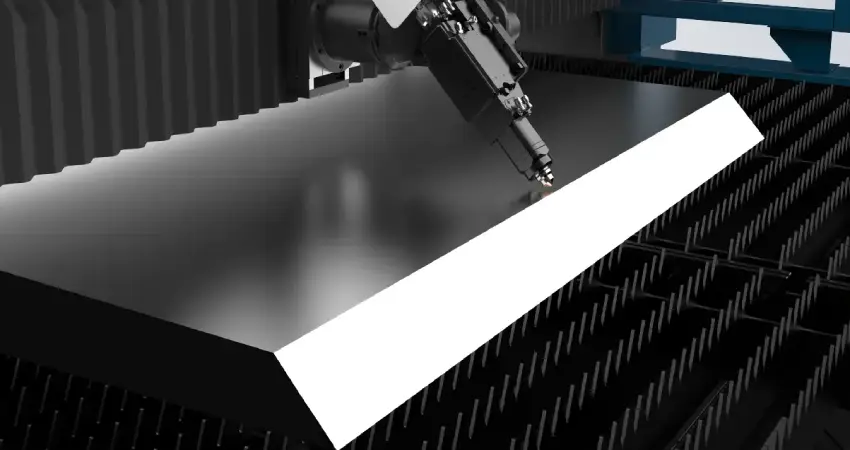
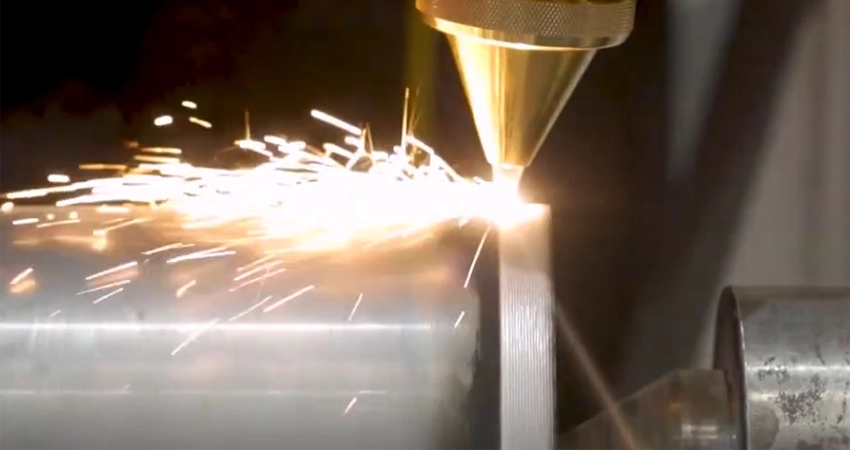
Laser cladding uses a high-energy laser beam to melt metal powder together with a thin layer of the substrate surface.
Unlike traditional thermal spray technologies, laser cladding forms a metallurgical bond with the base material.
This allows manufacturers not only to protect surfaces, but also to:
- rebuild worn areas,
- restore dimensions,
- and repair expensive components.
In many industries, laser cladding is increasingly used as part of advanced remanufacturing strategies.
Common Laser Cladding Applications
- Mining equipment repair
- Steel mill rollers
- Oil drilling tools
- Turbine components
- Hydraulic shaft restoration
- Heavy machinery remanufacturing
III. Laser Cladding vs HVOF: The Real Difference
At first glance, both technologies seem similar because they improve surface performance.
But in real production environments, they solve different problems.
HVOF Focuses on Precision Surface Protection
Imagine a hydraulic component that still maintains its shape and dimensions but suffers from continuous abrasion.
In this case, the priority is:
- surface hardness,
- smooth finish,
- and wear resistance.
HVOF performs extremely well here, especially for thin dense carbide coatings.
Laser Cladding Focuses on Restoration and Lifecycle Extension
Now imagine a steel mill roller with severe material loss after long-term operation.
The core structure is still usable, but the surface is heavily worn.
Replacing the entire component may be expensive and time-consuming.
Laser cladding allows manufacturers to rebuild the damaged area directly, restoring the component instead of discarding it.
This is one of the biggest reasons laser cladding is become more valuable in heavy industry.
IV. Why More Manufacturers Are Investing in Laser Cladding
This does not mean HVOF is outdated.
In fact, HVOF remains one of the best solutions for many wear-resistant coating applications.
However, manufacturing priorities are changing.
More companies now focus on:
- reducing downtime,
- lowering replacement costs,
- extending component lifespan,
- and improving sustainability.
This is where laser cladding offers broader manufacturing capabilities.
Stronger Bonding Strength
HVOF coatings mainly rely on mechanical bonding.
Laser cladding creates a metallurgical bond between the coating and substrate, providing:
- stronger adhesion,
- better impact resistance,
- and improved structural reliability.
For mining, steel, and energy industries, this becomes especially important under heavy working conditions.
Better for Repair and Manufacturing
HVOF is ideal for protective surface coatings.
But when components experience actual material loss, laser cladding offers much greater flexibility.
Manufacturing can restore:
- shafts,
- rollers,
- molds,
- and high-value industrial parts
without replacing the entire component.
Supporting Long-Term Cost Reduction
In many factories, the biggest expense is not the coating process itself.
It is:
- downtime,
- delayed production,
- replacement inventory and repeated maintenance cycles.
By extending component life and enabling repair instead of replacement, laser cladding can help reduce long-term operational costs significantly.
V. How Modern Laser Cladding Machines Support Industrial Repair
As more manufacturers shift toward remanufacturing and lifecycle-focused production, demand for advanced laser cladding equipment continuous to grow.
Modern laser cladding machines are no longer limited to simple surface treatment. Today’s manufacturers require:
- stable powder feeding,
- precise laser control,
- automated operation,
- and flexible processing capability for complex industrial components.
For industries such as mining, steel processing, energy, and heavy equipment manufacturing, integrated laser cladding solutions help improve:
- repair efficiency,
- coating consistency,
- and long-term production reliability.
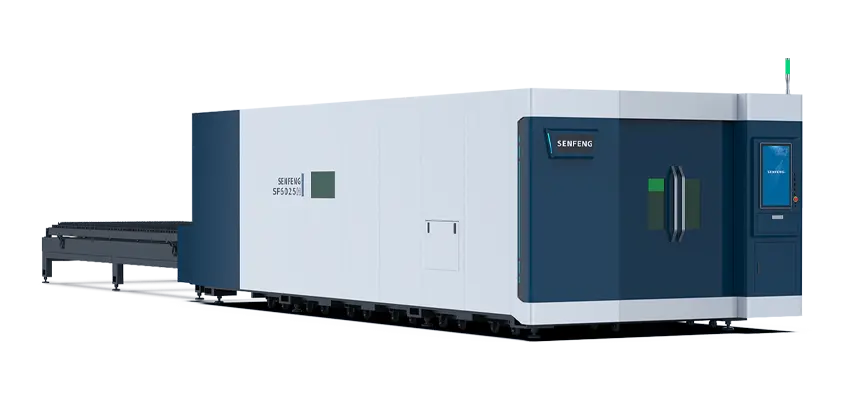
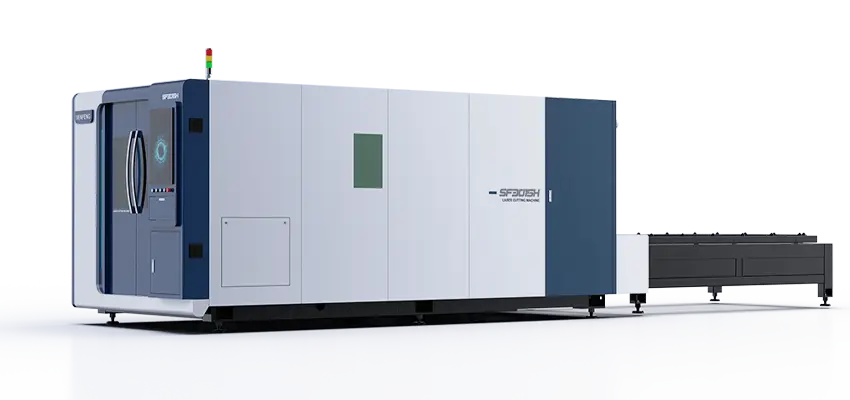
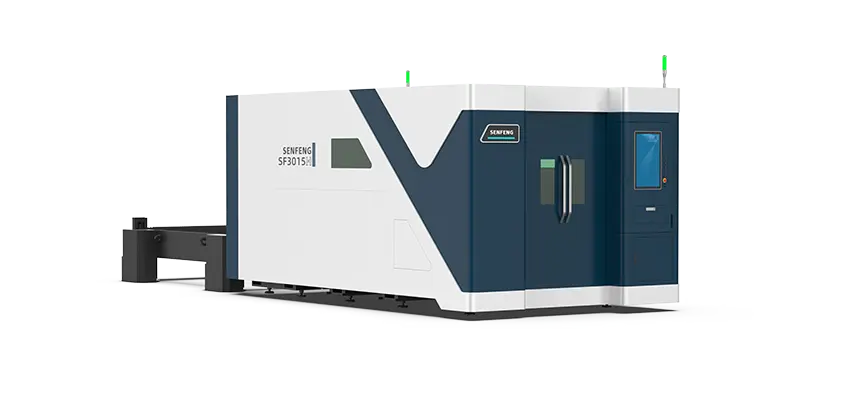
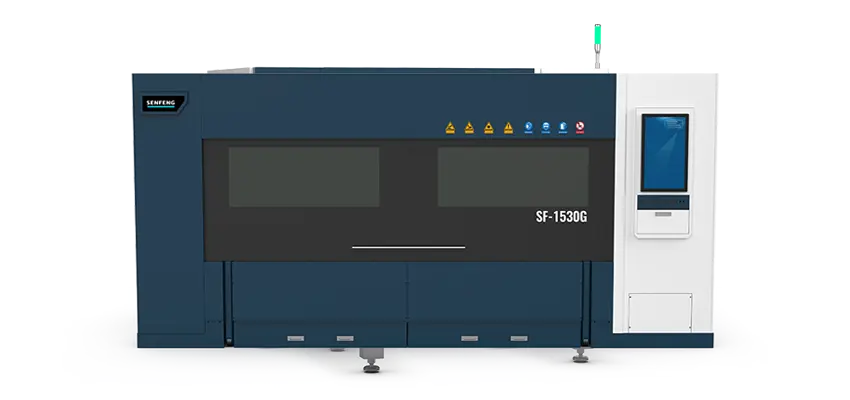
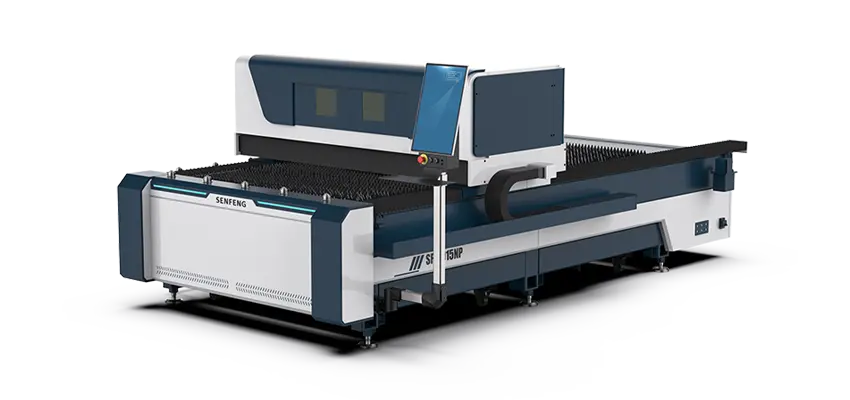
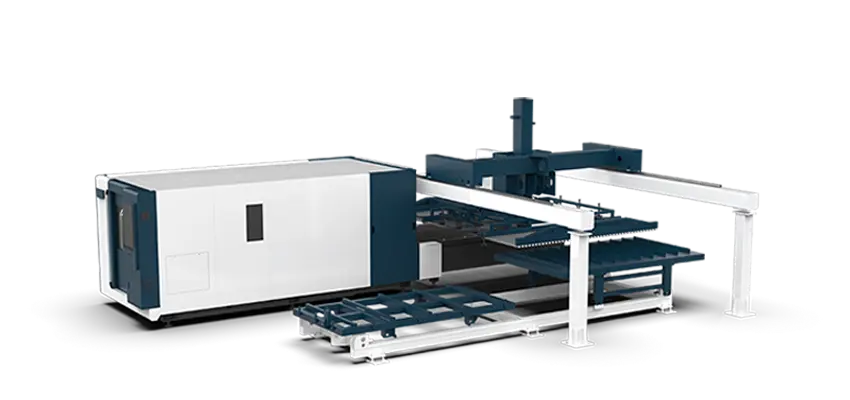
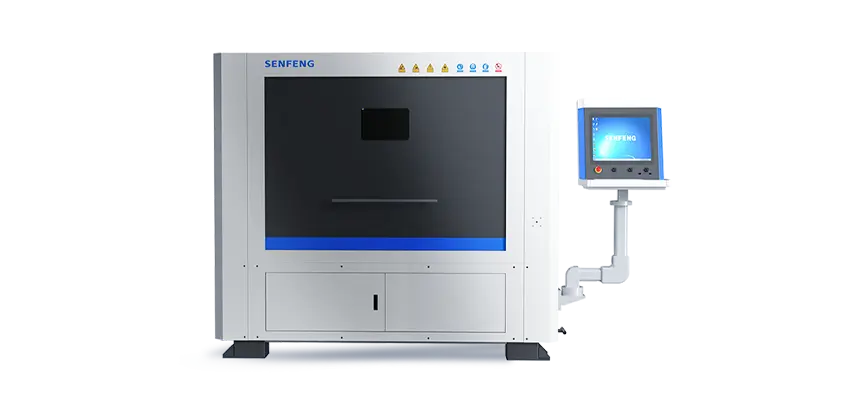
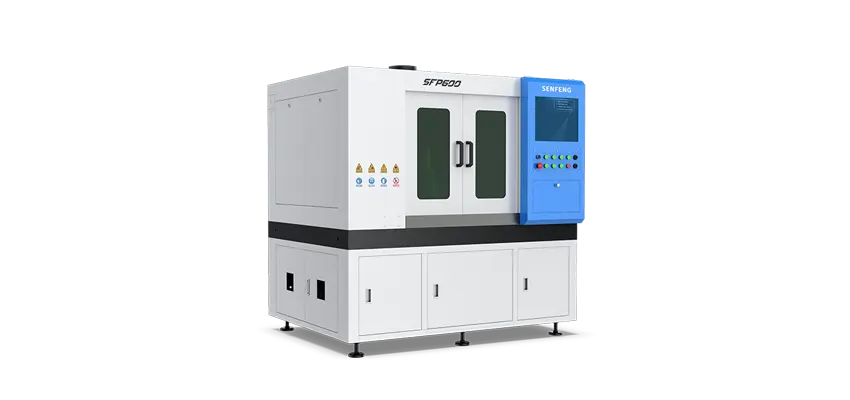
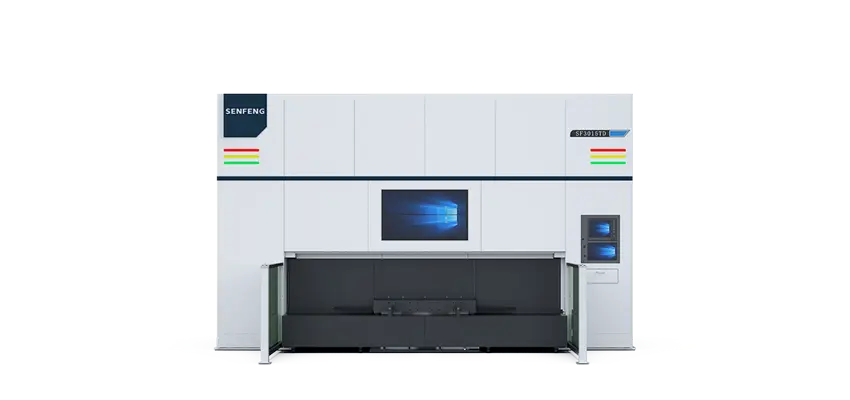
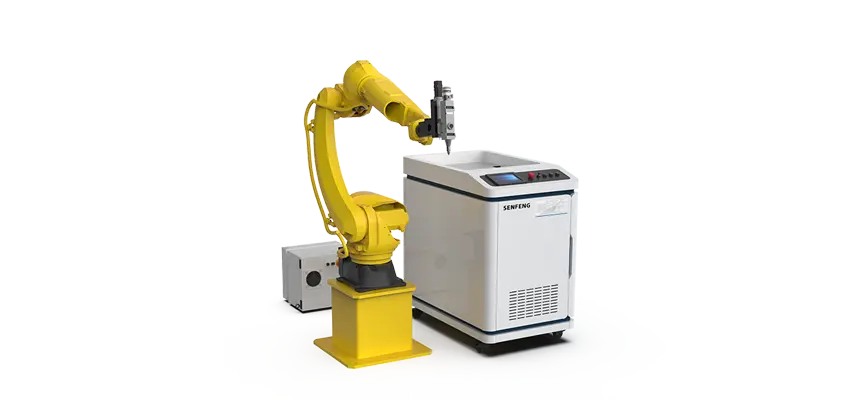
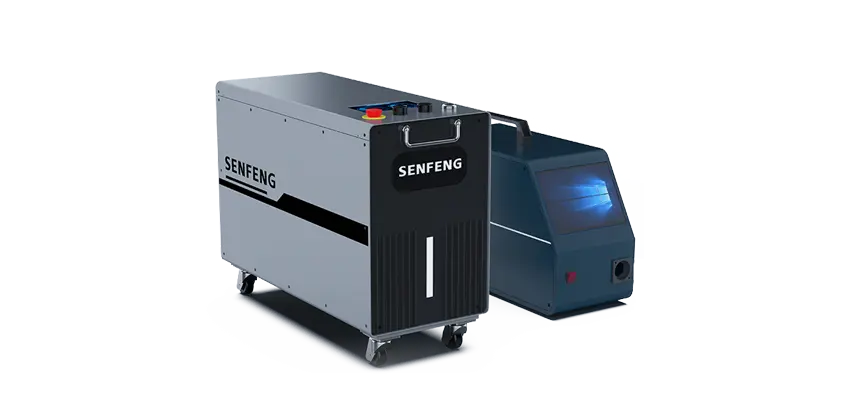
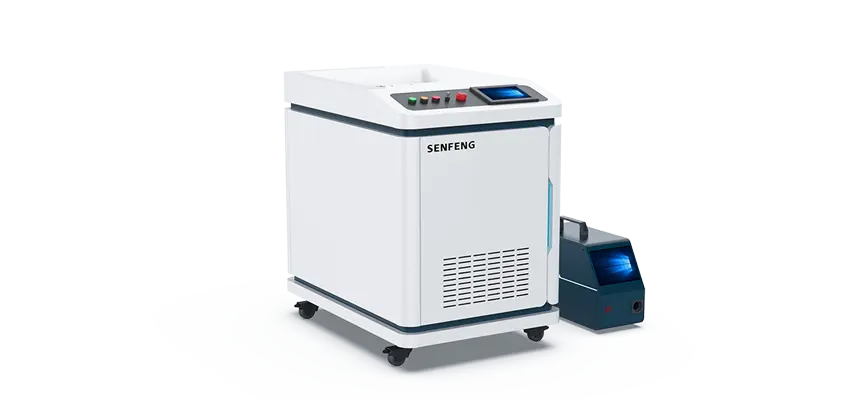
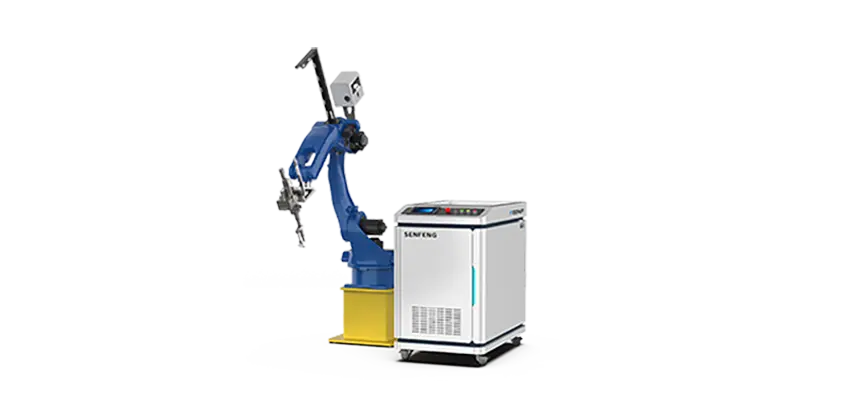
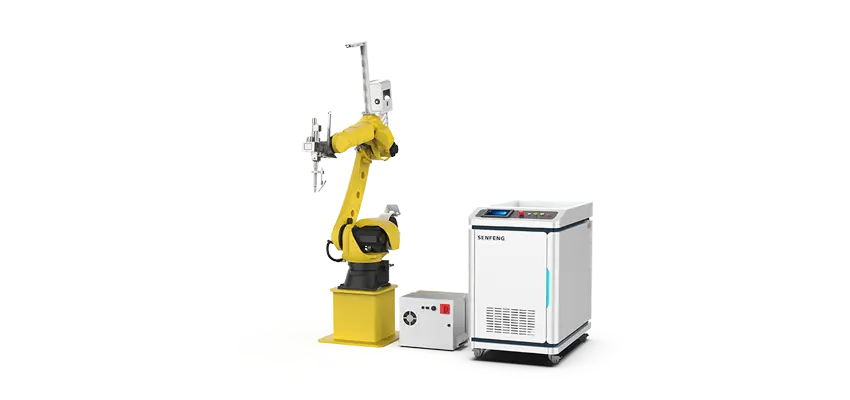
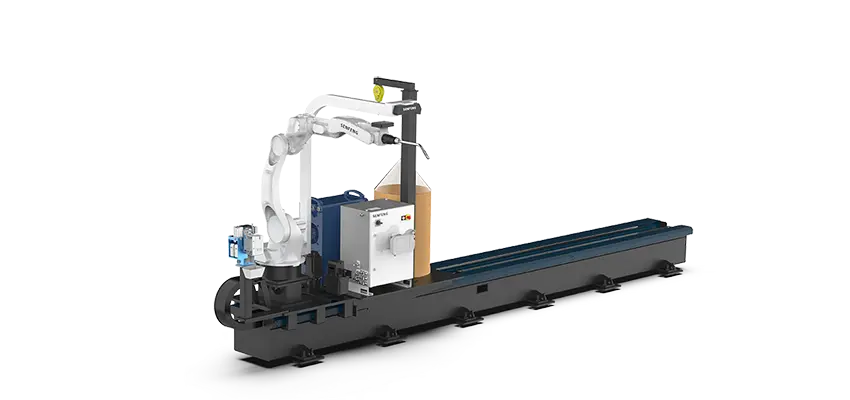
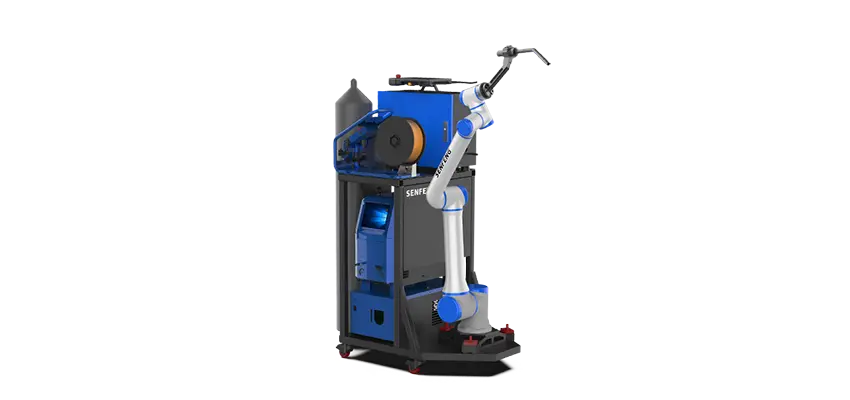
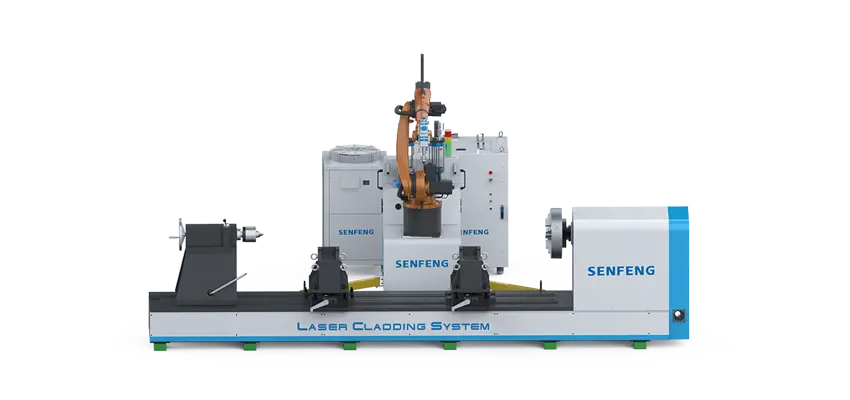
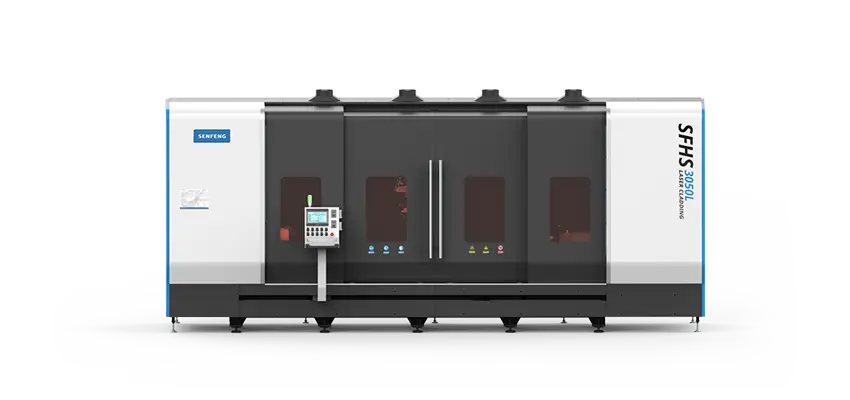
As a professional industrial laser equipment manufacturer, SENFENG’s laser cladding machines are designed for:
- shaft restoration,
- roller repair,
- heavy-duty component remanufacturing,
- and high-wear industrial applications.

With advanced automation capability and stable cladding performance, industrial laser cladding machines are becoming an important part of intelligent manufacturing and industrial repair workflows.
VI. What to Look for in a Laser Cladding Machine
When selecting a laser cladding machine, manufacturers often focus on:
- laser stability,
- powder feeding precision,
- automation capability,
- processing flexibility,
- and long-term operational reliability.
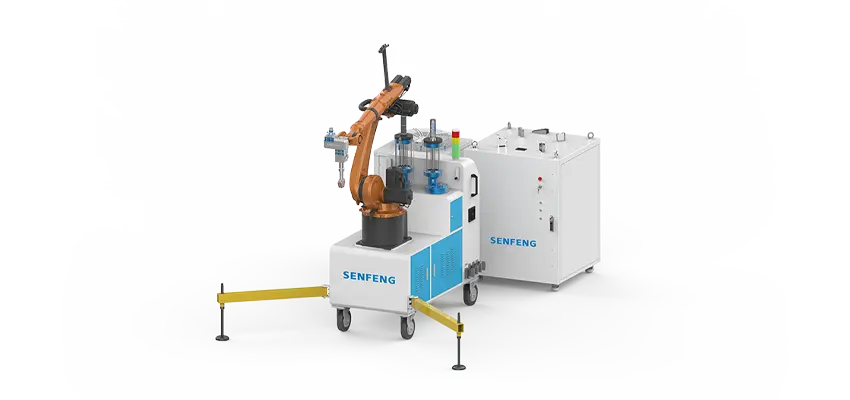
Modern laser cladding machines are increasingly integrated with:
- robotic systems,
- CNC control,
- and intelligent monitoring technologies
to improve consistency and production efficiency.
Industrial laser cladding equipment from SENFENG is designed to support demanding industrial repair and remanufacturing applications with stable performance and flexible processing capability.
VI. Laser Cladding and HVOF Often Work Together
In real industrial manufacturing, companies often use both technologies depending on the application.
For example:
| Application | Recommended Technology |
| Tungsten carbide wear coating | HVOF |
| Precision aerospace coating | HVOF |
| Hydraulic shaft repair | Laser Cladding |
| Steel roller rebuilding | Laser Cladding |
| Mining equipment restoration | Laser Cladding |
| Thin anti-abrasion coatng | HVOF |
The key is understanding the actual working condition and wear mechanism.
VII. Which Technology Is Right for Your Application?
Choose HVOF If You Need:
- thin dense coatings,
- smooth surface finish,
- excellent abrasion resistance,
- and precision wear protection.
Choose Laser Cladding If You Need:
- dimensional restoration,
- repair capability,
- impact resistance,
- and long-term lifecycle extension.
As manufacturing increasingly moves toward sustainable production and remanufacturing, laser cladding is becoming more than a coating technology.
It is becoming part of a broader advanced manufacturing strategy.
Conclusion
When comparing laser cladding and HVOF, the goal is not to determine which technology is universally better.
Both are highly effective industrial solutions with different strengths.
HVOF remains an excellent choice for:
- precision surface coatings,
- carbide wear resistance,
- and smooth protective finishes.
Laser cladding, however, offers broader capabilities by combining:
- surface enhancement,
- repair,
- dimensional restoration,
- and remanufacturing potential.
For manufacturers focused on long-term equipment performance, reduced downtime, and lifecycle management, laser cladding is becoming an increasingly important technology in modern industry.