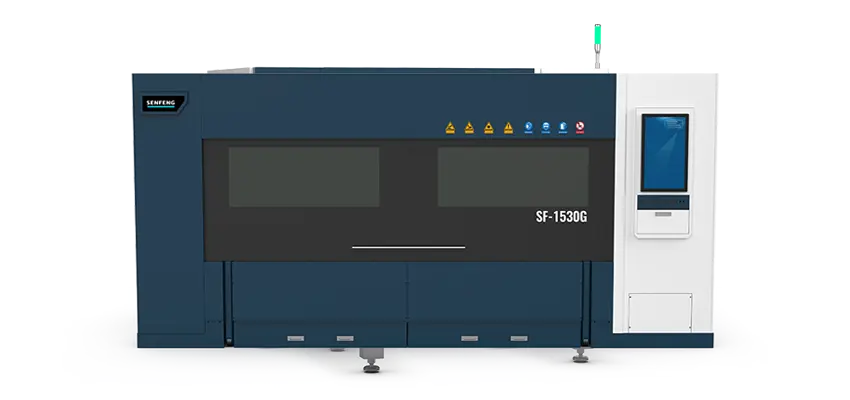
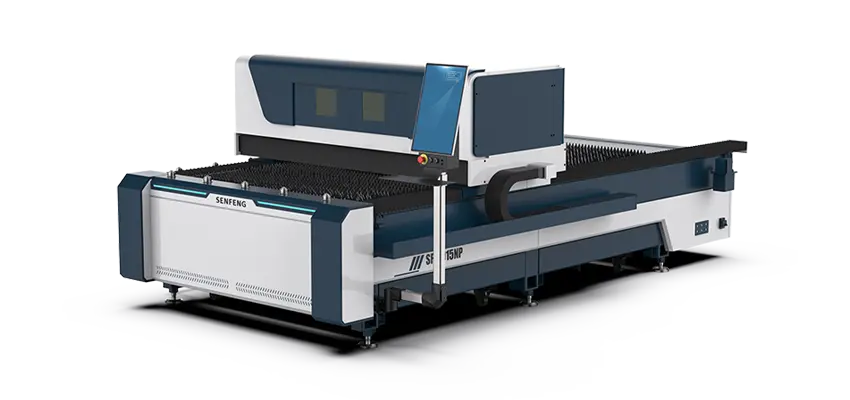
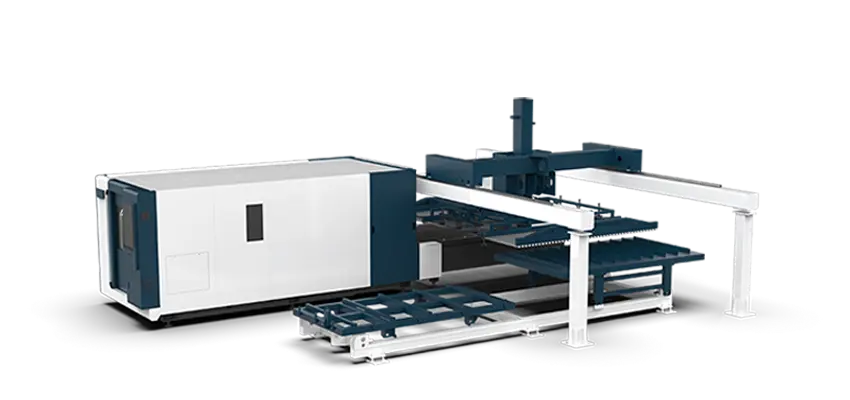
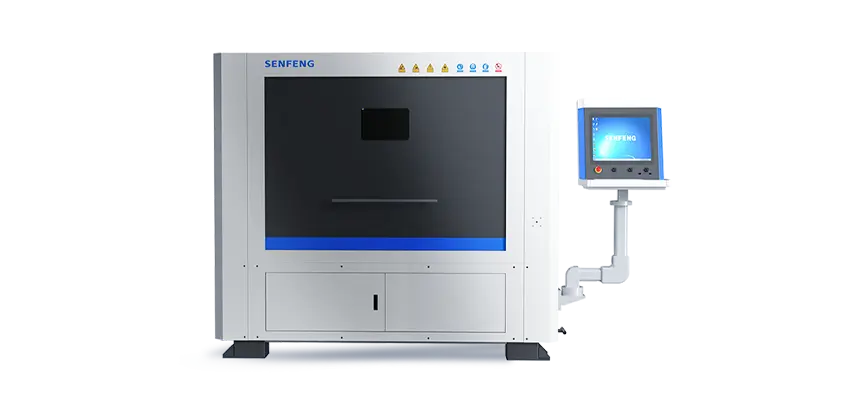
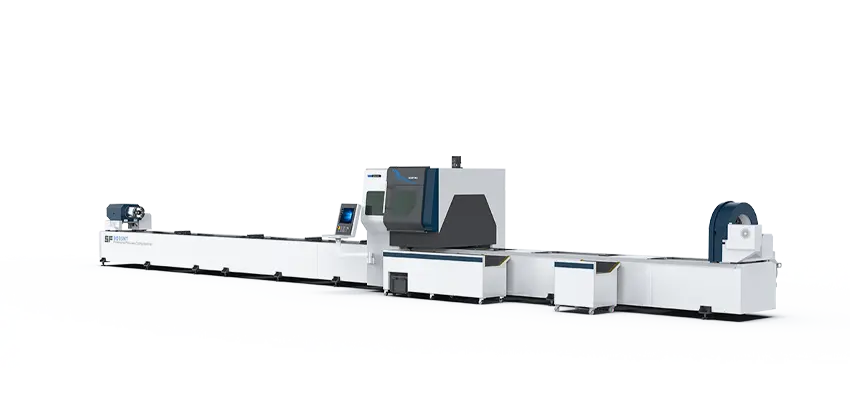
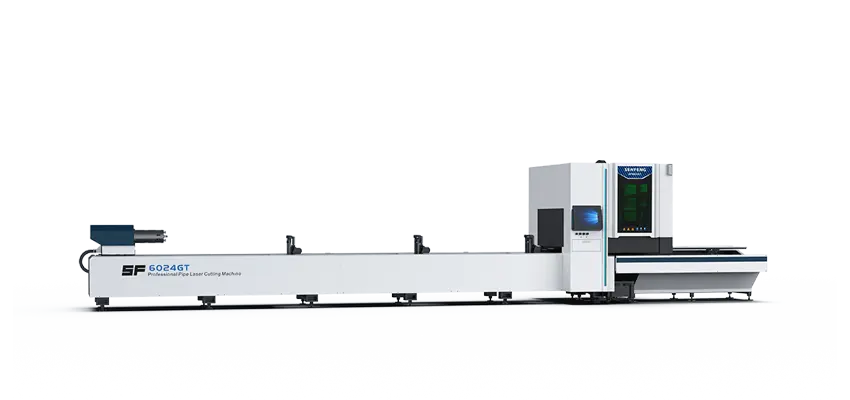
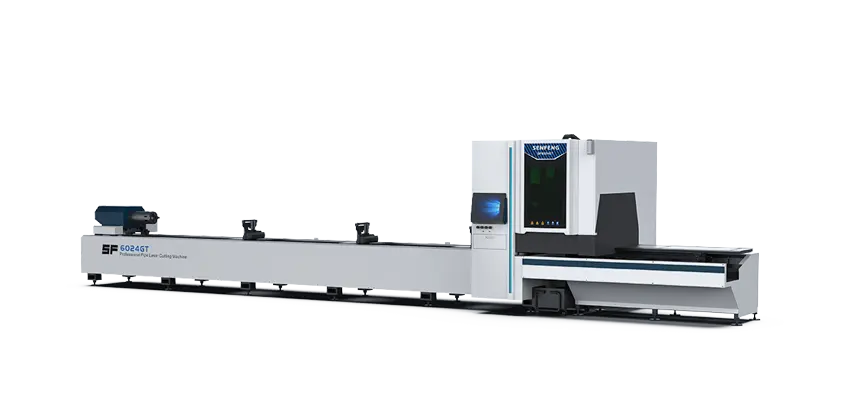
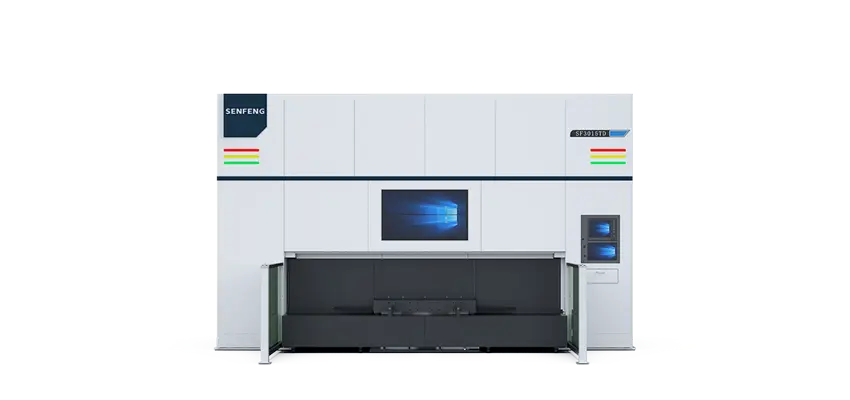
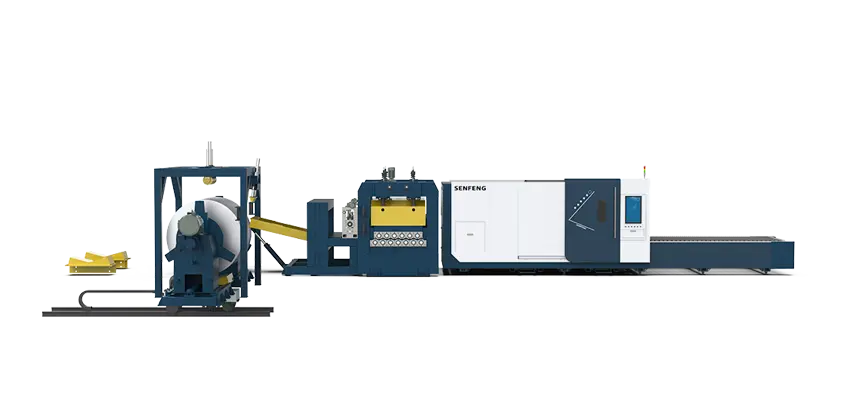

4kW Fiber Laser Cutting Machine for Sheet Metal Processing
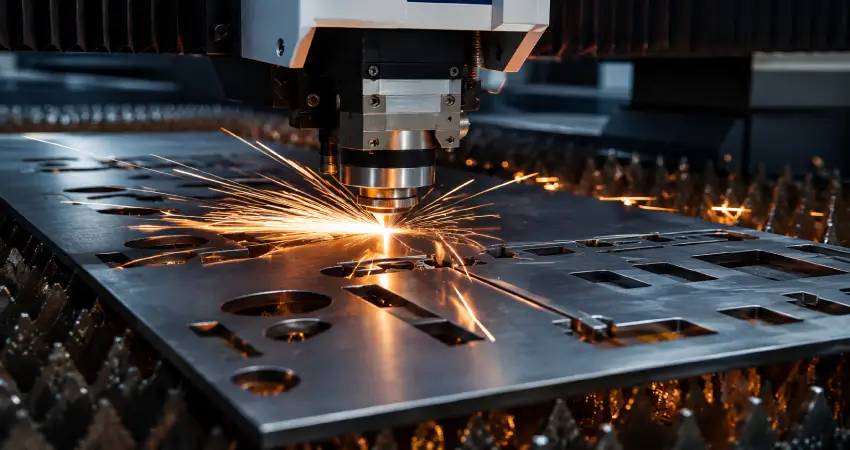
Imagine walking into a bustling fabrication workshop. Metal sheets are neatly stacked, sparks glint under the bright workshop lights, and a 4kW fiber laser cutting machine glides silently along its programmed path. The laser beam pinpoints with surgical precision, effortlessly slicing through carbon steel and stainless sheets, leaving edges smooth and kerfs consistent.
This isn’t just cutting–it’s a carefully orchestrated process where speed, efficiency, and quality converge. Unlike high-power machines that consume more energy and require more oversight, a 4kW fiber laser cutter provides the perfect balance: powerful enough to handle most medium-thickness jobs, yet economical and stable for daily production.
In the following guide, we’ll dive into how a 4kW fiber laser cutter works, its real-world cutting performance, and practical strategies to maximize efficiency–showing why it remains the top choice for sheet metal shops looking to combine precision with cost-effectiveness.
I. Why 4kW Fiber Laser Cutting Machines Still Dominate the Market
While high-power machines like 6kW and 12kW continue to grow in popularity, experienced manufacturers understand a key fact:
Most real production does not require extreme power–it requires efficiency and stability.
A 4kW fiber laser cutting machine offers:
- Sufficient cutting capability for the majority of applications
- Lower operating costs
- Stable and repeatable cutting performance
For many fabrication shops, it represents the best balance between performance and cost.
II. How a 4kW Fiber Laser Cutting Machine Works (Step-by Step)
Understanding the cutting mechanism helps you optimize performance.
1. Laser Generation and Focus
A fiber laser generates a high-efficiency beam that is delivered through optical fiber and focused into a very small spot, instantly melting the material.
2. Material Reaction
- Carbon steel (Oxygen): Oxidation boosts cutting efficiency
- Stainless steel (Nitrogen/Air): Clean melting without oxidation
- Air cutting: Cost-effective for thin sheets
3. Molten Material Removal
Assist gas blows molten metal out of the cut, forming a clean kerf.
4. CNC Motion Control
The system synchronizes movement, speed, and energy to ensure consistent cutting quality.
III. 4kW Fiber Laser Cutting Capability (Not Just Specs)
Many suppliers highlight maximum thickness, but real production depends on stability and efficiency.
Recommended Production Range
| Material | Optimal Thickness Range | Key Advantage |
| Carbon Steel | 1-20 mm | Stable cutting + good speed |
| Stainless Steel | 1-12 mm | Clean edge quality |
| Aluminum | 1-10 mm | Efficient processing |
Beyond this range:
- Cutting speed drops
- Edge quality decreases
- Cost per part increases
These ranges represent typical production conditions under stable operation, no maximum theoretical limits.
IV. 4kW vs 6kW: Which One is More Cost-Effective?
Performance Comparison (Typical Scenario)
| Thickness | 4kW Performance | 6kW Performance | Recommendation |
| 1-6 mm | Already near max speed | Slightly faster | 4kW more cost-efficient |
| 6-12 mm | Stable and efficient | Faster | Depends on volume |
| >20 mm | Limited | Strong advantage | Choose 6kW+ |
Key Insight:
If most of your jobs are under 10 mm, a 4kW laser cutter typically delivers the best balance of productivity and return on investment (ROI).
V. Key Factors That Affect Cutting Quality (Beyond Power)
1. Piercing Strategy
Improper piercing can cause:
- Blowouts
- Slag adhesion
- Poor edge quality
- Optimized piercing improves consistency significantly
2. Assist Gas Selection
| Material | Gas Type | Benefit |
| Carbon Steel | Oxygen | Faster cutting |
| Stainless Steel/Aluminum | Nitrogen/Air | Clean edge |
| Thin Sheets | Air | Lower cost |
3. Machine Stability
A rigid machine structure ensures:
- Smooth cutting edges
- Consistent kerf width
- Long-term precision
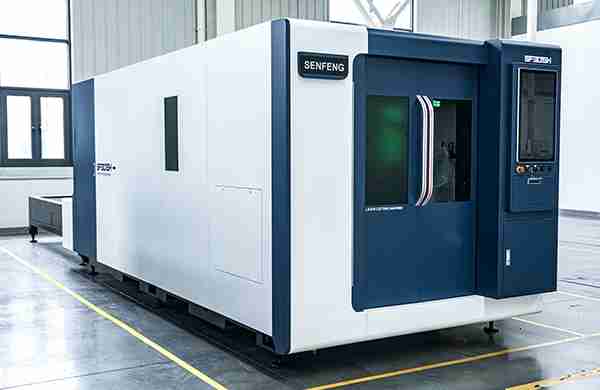
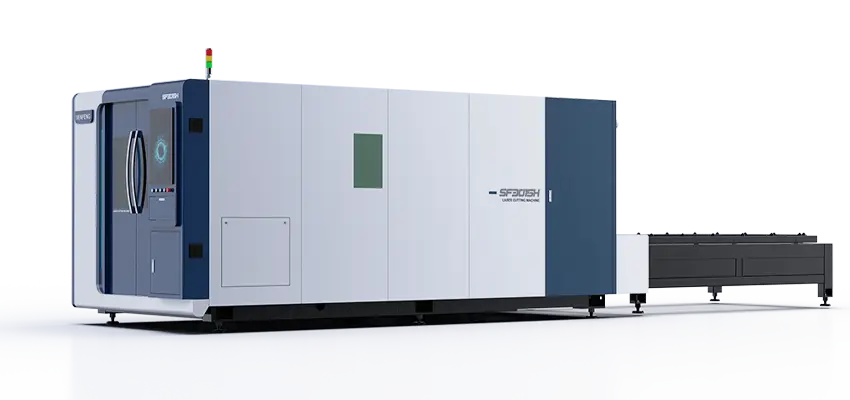
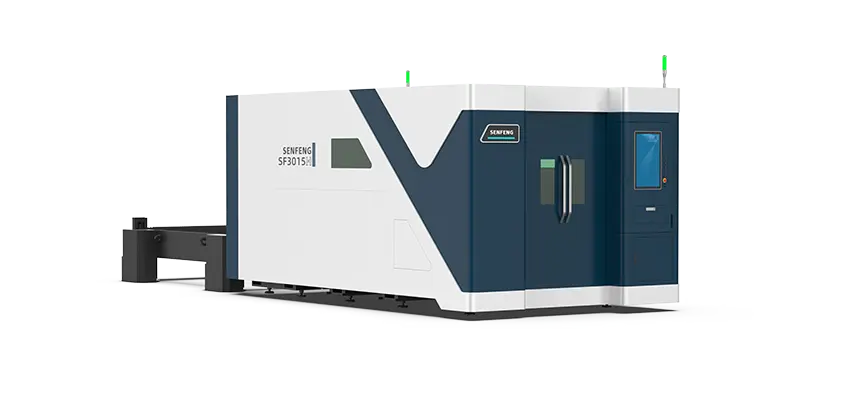
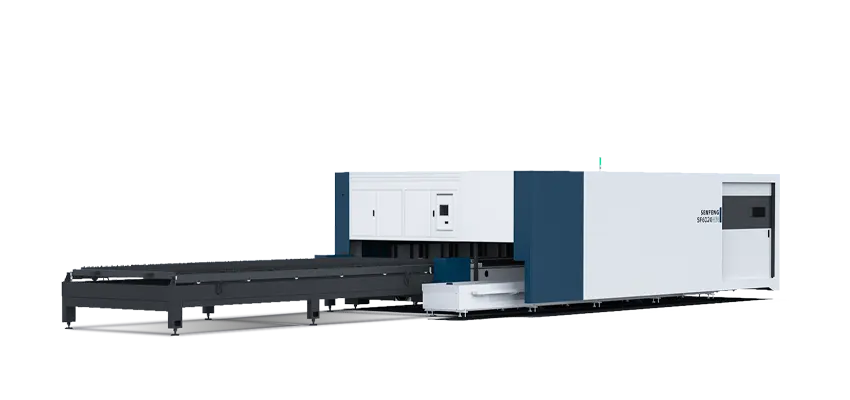
Machine stability is largely determined by the design and manufacturing quality of the machine bed. The SENFENG 3015H features a high-strength machine bed with the following characteristics:
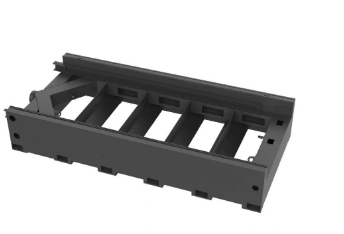
- Weld with high-quality steel plates and pipes
- Annealing to eliminate internal stress
- Sufficient structural stability and shock resistance
- Not deformed for a long time
4. Control System Intelligence
Modern CNC control systems enhance performance by improving:
- Cutting path optimization
- Corner accuracy
- Automation level
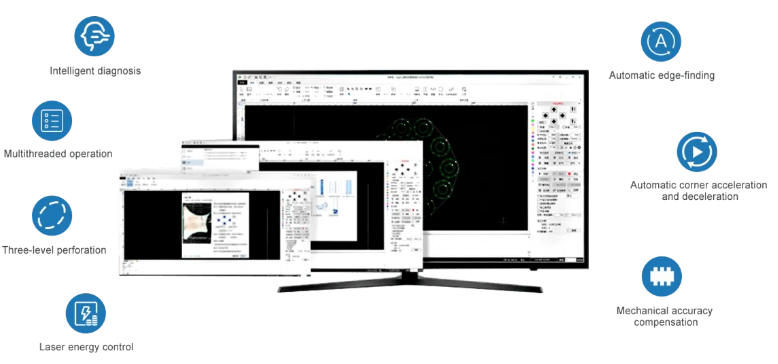
The SENFENG 3015H is equipped with intelligent CNC operating system, providing intelligent diagnostics, multi-threading operation, adaptive edge detection, automation corner optimization, flight cutting, worktable switching, and mechanical accuracy compensation for improved efficiency and stable cutting performance.
VI. How to Decide If a 4kW Laser Is Right for You
Step 1: Analyze Your Production
- What thickness do you cut most?
- What materials dominate your orders?
- If 80% of jobs are under 10 mm→4kW is ideal
Step 2: Identify Bottlenecks
Is your issue:
- Cutting speed?
- Or loading, programming, and workflow?
- In many cases, production bottlenecks are caused by laser power, but by workflow efficiency, material handling, and programming.
Step 3: Calculate Real Cost per Part
Include:
- Electricity
- Gas
- Maintenance
- Scrap
- 4kW often provides the lowest total cost in mixed production
VII. How to Maximize the Performance of a 4kW Fiber Laser
Practical Tips
- Optimize piercing parameters
- Use correct nozzle sizes
- Choose the right assist gas
- Improve nesting efficiency
- Reduce idle time with automation
- In many real-world cases, these optimizations deliver more practical performance gains than simply upgrading laser power.
VIII. When You Should Choose a Higher Power Machine
A 4kW fiber laser cutter may not be suitable if:
- You frequently cut carbon steel above 25 mm
- Heavy plate processing is your core business
- Maximum cutting speed is critical
If you want to explore laser cutting machines with different power levels, you can learn more below:
- 3kW Fiber Laser Cutting Capacity for U.S. Manufacturers
- 6kW Fiber Laser Cutter: The Ultimate Solution for High-Mix, High-Volume Manufacturing
- 12kW–80kW High Power Fiber Laser Cutters for Metal Industry
Conclusion: 4kW Is Not Entry-Level–It Is Optimized
A 4kW fiber laser cutter is designed for:
- Real-world production efficiency
- Predictable operating costs
- Flexible manufacturing needs
- It is not about cutting the thickness plate
- It is about cutting most jobs efficiently and profitably
Looking for the right 4kW fiber laser cutting solution?
Contact us to get expert recommendations, machine configuration guidance, and a customized quotation based on your production requirements.
FAQ
1. What Thickness of Metal Can a 4kW Fiber Laser Cutting Machine Cut?
A 4kW fiber laser cutting machine is suitable for processing most medium-thickness sheet metals. Typically:
- Carbon steel: 1–20 mm
- Stainless steel: 1–12 mm
- Aluminum: 1–10 mm
Within these ranges, the machine can maintain a good balance of cutting speed, stability, and edge quality.
2. How Should You Choose Between a 4kW and 6kW Laser Cutter?
If most of your production involves sheet metals under 10 mm, a 4kW laser cutting machine is usually the more cost-effective choice, offering lower operating costs and reduced energy consumption.
If you frequently process thick plates above 20 mm or require maximum cutting speed, a 6kW or higher-power laser cutter would be a better option.
3. Besides Laser Power, What Factors Affect Laser Cutting Quality?
Laser cutting quality depends not only on laser power, but also on:
- Piercing parameter settings
- Assist gas selection
- Machine bed stability
- CNC control system intelligence
- Nesting and automation efficiency
Optimizing these factors often improves cutting performance and production efficiency more effectively than simply increasing laser power.