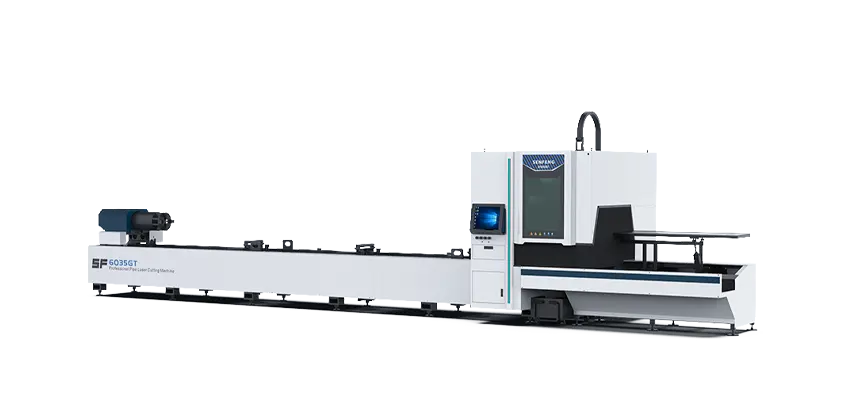
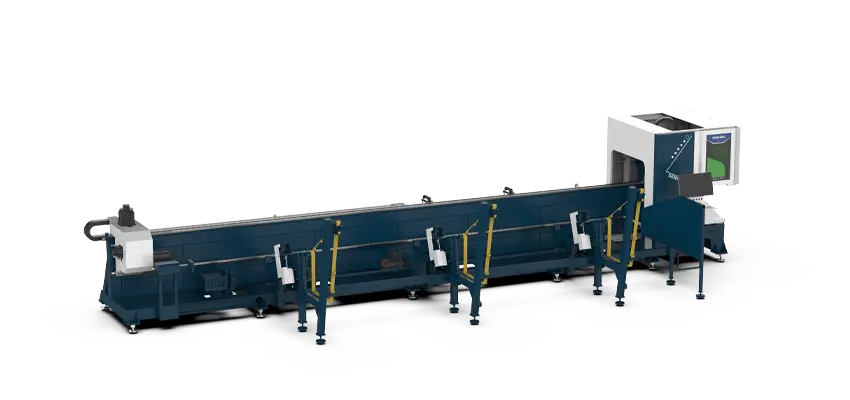
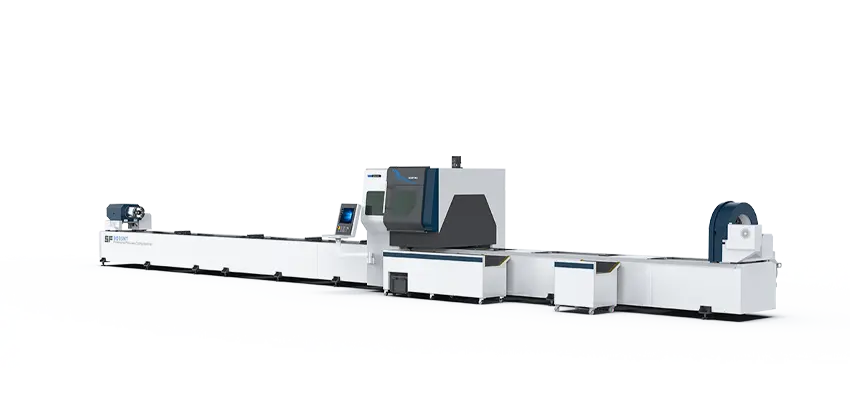
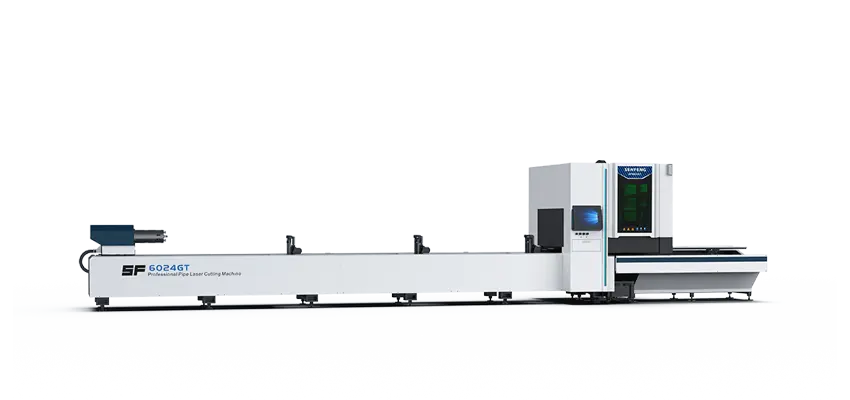
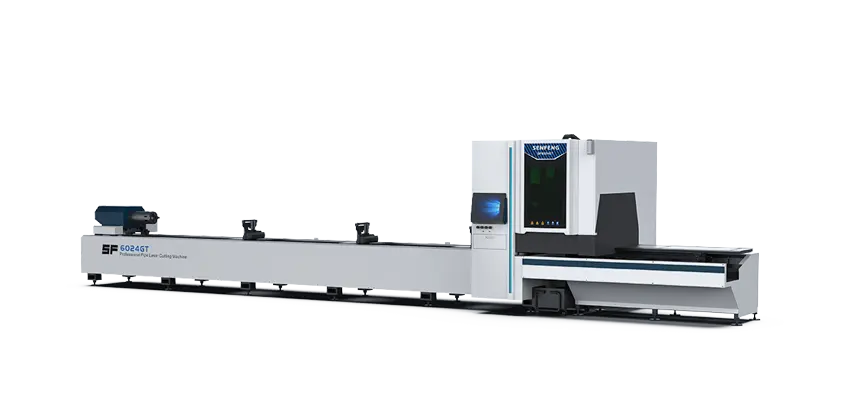

Laser Tube Cutting Machine Buying Guide
Laser tube cutting machines have become an essential tool for modern metal fabrication. Whether you are producing structural components, furniture frames, automotive exhausts, or construction parts, investing in the right machine can significantly improve efficiency, accuracy, and profitability. However, with a wide range of models and configurations available, buyers are often unsure how to make the best choice.
This comprehensive guide from SENFENG Laser, a global manufacturer of fiber laser equipment, will help you evaluate the most important factors before purchasing a tube laser cutter. By understanding your material dimensions, cutting requirements, machine configuration, and operational needs, you can select a machine that fits your production line and long-term business goals.
1. Consider the Tube Specifications
The very first step is to evaluate the types of tubes you process:
Tube Diameter – Machines must be compatible with your tube diameter range, from small thin pipes to large industrial profiles.
Tube Thickness – Thick-walled tubes require higher laser power for stable cutting and reduced burrs. For thin tubes, lower power can still deliver high precision.
Tube Length – Standard machines handle 6m or 9m lengths, but extra-long tubes may require special loading systems.
Cutting Length of Parts – The length of finished pieces after cutting determines which chuck system is best suited for your factory.
By matching the machine capacity with your typical tube dimensions, you avoid under-utilization or costly upgrades later.
2. Define the Cutting Process Requirements
Not all cutting processes are the same. You should identify your main applications:
Cutting Type – Will you mostly cut straight edges, or do you also need bevel cutting for welding preparation?
Tube Shapes – Laser tube cutters can handle round, square, and rectangular tubes. Advanced models also cut angle steel, channel steel, H-beams, and other irregular profiles.
Precision Level – For industries like aerospace or medical devices, tighter tolerances are critical. For construction or furniture, higher throughput may be the priority.
Cutting Head Options
Flat Nozzle – Ideal for round, square, rectangular tubes, angle steel, and channel steel. Delivers high cutting speed and excellent finish quality.
Pointed Nozzle – Designed for irregular profiles and H-beams. Offers greater flexibility but reduces cutting speed by about 20%.
Selecting the right cutting head ensures that your machine performs efficiently across your material range.
3. Choose the Feeding Support Structure
The support structure stabilizes tubes during cutting, directly influencing accuracy.
Adjustable Wheel (Variable Diameter Support) – Works well with square and round tubes. However, accuracy drops when cutting rectangular or irregular profiles.
Follow-Up Support – Provides universal support for all tube shapes and sizes, ensuring higher precision and stability throughout the cutting process.
For factories processing diverse tube shapes, follow-up support is highly recommended.
4. Understand the Chuck Types
The chuck is the core component that clamps and rotates tubes during cutting. Choosing the right chuck system depends on your cutting length and precision needs.
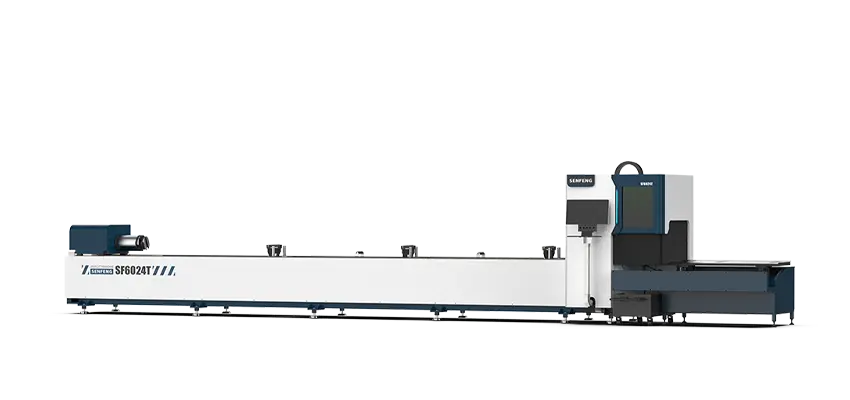
Two-Chuck (T) Systems
Suitable when cutting length ≤1m, using a single host machine.
For cutting length ≤3m, an optional unloading system can be added.
Three-Chuck (NT) Systems
Recommended when cutting length ≥3m.
Ideal when higher accuracy is required.
Typically used for laser powers ≤6kW.
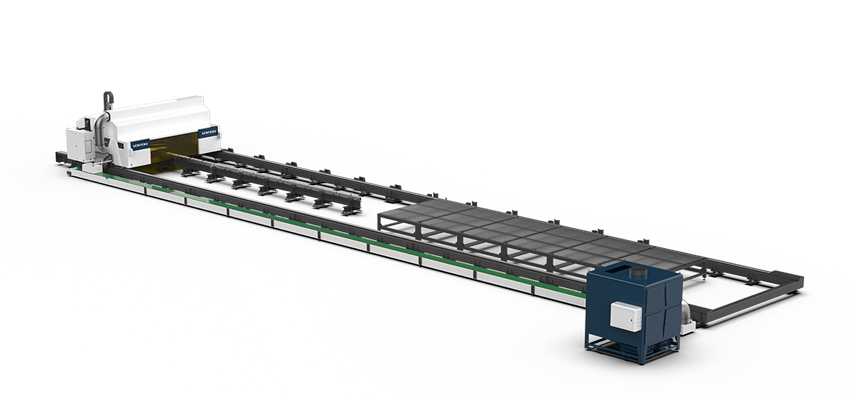
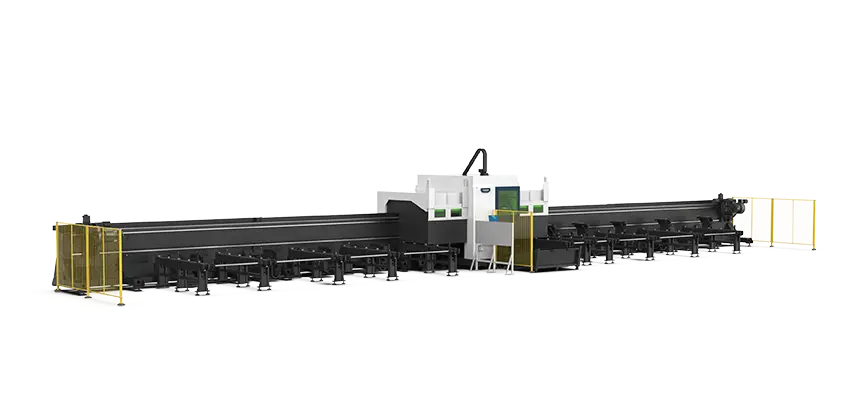
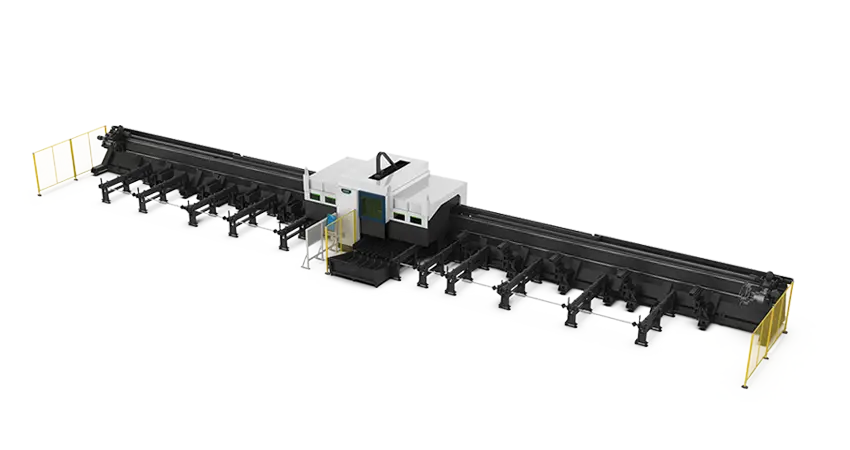
Side-Mounted Bed Systems
For heavy-duty applications, SENFENG provides enhanced side-mounted designs:
ST (Three-Chuck) – For tube weight >500kg and power >6kW, offering stable precision.
HT (Four-Chuck) – For tube weight >1500kg and power >6kW, enabling heavy-duty, high-efficiency cutting.
5. Key Recommendations
Based on SENFENG’s installation experience worldwide, here are practical tips for buyers:
If your actual part length exceeds 3m, always choose a three-chuck system. Even if you typically cut 2m parts, planning for 3m capacity ensures flexibility.
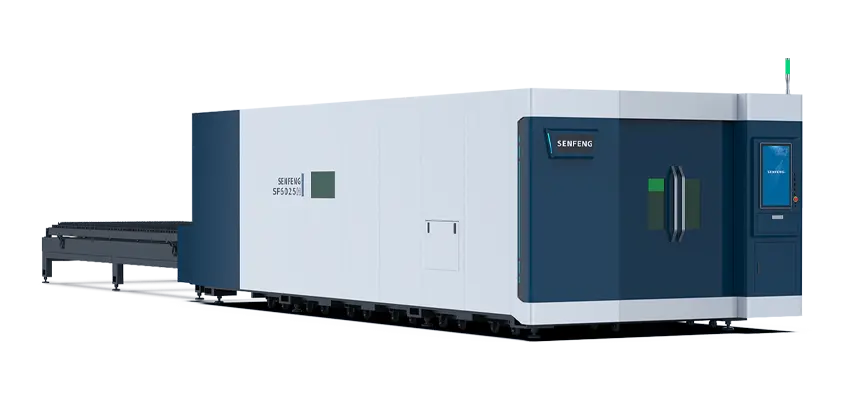
For models like the SENFENG 6025GNT, the standard unloading length is 3m. Longer parts will require manual unloading unless you upgrade to a longer automatic system.
For tubes heavier than 500kg, opt for a side-mounted three-chuck or four-chuck system to maintain stability and prevent wear on the machine.
By following these guidelines, your investment will deliver maximum return and long-term reliability.
6. Why Choose SENFENG Laser?
SENFENG is not only a manufacturer but also a complete solution provider. With subsidiaries and service centers in the USA, Germany, Turkey, and other regions, we offer local service, free training, and fast technical support. Our machines are CE-certified, ensuring compliance with international safety and quality standards.
When purchasing a laser tube cutting machine, partnering with SENFENG means you gain more than equipment—you gain a trusted partner for your business growth.
FAQ – Laser Tube Cutting Machines
Q1: What materials can a fiber laser tube cutting machine handle?
A: Fiber laser machines can cut carbon steel, stainless steel, aluminum, brass, copper, and alloy steels. With the right power level and nozzle, they also process profiles like angle iron, channel steel, and H-beams.
Q2: How do I decide between two-chuck and three-chuck systems?
A: If your parts are shorter than 1–3m, a two-chuck system is cost-effective. For parts longer than 3m or requiring high accuracy, a three-chuck system is the better choice.
Q3: What is the difference between flat and pointed cutting nozzles?
A: Flat nozzles deliver faster speeds and smooth results on common tubes. Pointed nozzles allow cutting irregular profiles but reduce speed by around 20%.
Q4: How much laser power do I need?
A: For general thin-wall tubes, 1.5–3kW is sufficient. For thick-walled or heavy industrial applications, machines with 6kW or above are recommended.
Q5: Can SENFENG provide installation and training?
A: Yes. SENFENG offers on-site installation, free operator training, and lifetime service support to ensure customers can maximize machine performance.
Conclusion
Selecting a laser tube cutting machine is a long-term investment that impacts production efficiency, product quality, and profitability. By carefully considering tube specifications, cutting processes, support structures, chuck types, and machine power, you can make an informed decision.
SENFENG Laser provides not only machines but also complete solutions—from consultation to after-sales service. With the right choice, your factory can achieve higher automation, lower costs, and sustainable growth.