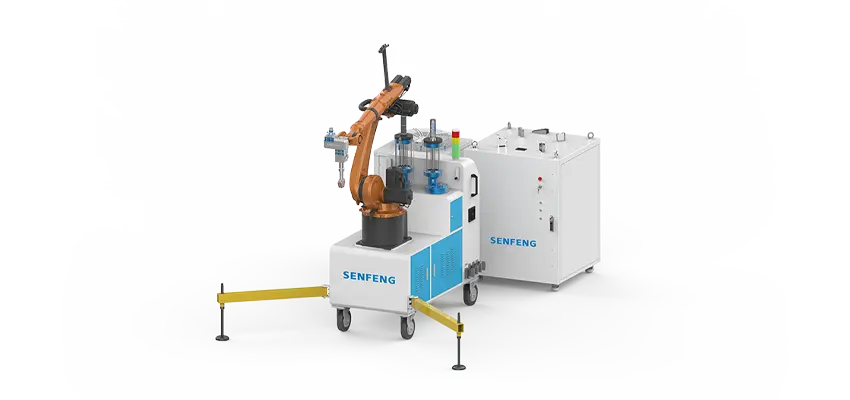

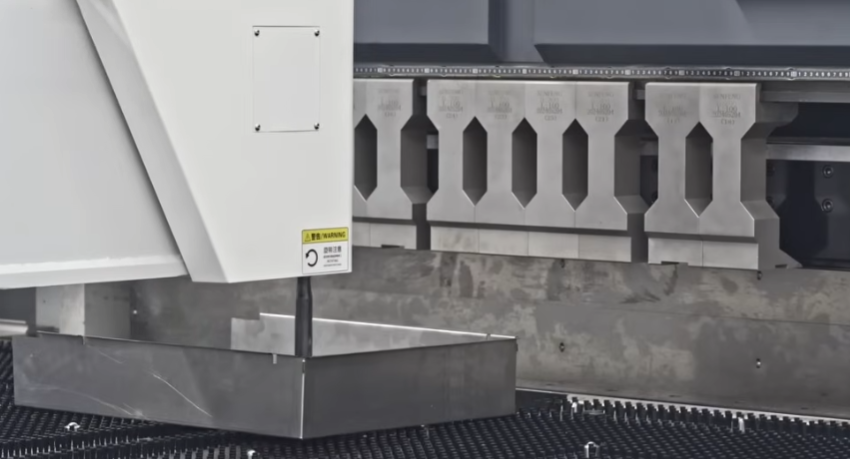
Practical Ways to Reduce Sheet Metal Bending Costs
In the competitive world of sheet metal fabrication, bending costs can quickly add up if workflows, accuracy, and labor are not managed efficiency. While traditional press brakes remain common, modern advancements in bending technology now help manufacturers cut costs, improve quality, and speed up production. This article highlights practical ways to reduce bending expenses and explores trends shaping press brake solutions today.
I. Minimize Labor Costs
Labor often accounts for the largest portion of bending expenses. Reducing labor-related inefficiencies can lower errors and speed up production. Key approaches include:
- Pre-program bending sequences: Modern CNC press brakes allow operators to save and recall bending sequences, minimizing setup time and reliance on experience.
- Automated positioning systems: Multi-point back gauges and programmable stops ensure consistent sheet alignment, reducing manual adjustments.
- Repeatable functions: Foot pedals, angle indicators, and memory features help operators perform uniform bends quickly.
- Operator specialization: Assigning operators to specific machines or parts increases familiarity, reduces mistakes, and boosts efficiency.
Benefit: These practices can reduce labor costs by 20–30% per batch while minimizing scrap and errors.
II. Enhance Bending Efficiency
Inefficient workflows increase cycle time and overall costs. Press brake efficiency can be improved through:
- CNC programming and job storage: Frequently used sequences can be stored and recalled instantly, reducing trial-and-error time.
- Quick-change tooling: Modular punches and dies allow rapid part changeovers, minimizing downtime.
- High-speed drives: Servo-electric or hydraulic systems bend faster without sacrificing precision.
- Batch processing: Grouping similar parts reduces die changes and machine adjustments.
Outcome: Faster, smoother operations lower per-part costs and extend tool life.
III. Minimize Material Waste
Scrap increases both costs and production time. Strategies to reduce material waste include:
- Digital angle monitoring: Real-time electronic feedback ensures accurate bends on the first piece.
- Consistent sheet handling: Semi-automatic or mechanical feeders reduce misalignment, scratches, and handling errors.
- Tool wear alerts: CNC systems can notify operators when tools require maintenance, preventing defective bends.
- First-piece verification: Always measure and adjust the first few pieces to prevent full-batch scrap.
Impact: Precision-first strategies can cut scrap by 5%-10% in medium-volume workshops.
IV. Optimize Machine Utilization
Underused machines increase per-part costs. Improve utilization by:
- Integrating with production planning: Scheduling software maximizes press brake throughput.
- Automated loading/unloading: Reduces operator downtime and keeps machines running continuously.
- Predictive maintenance: Monitoring hydraulic pressure, lubrication, and mechanical wear prevents unplanned stops.
- Shift scheduling: Align operators with machine cycles to avoid idle time.
Result: Higher utilization lowers bending costs and improves ROI.
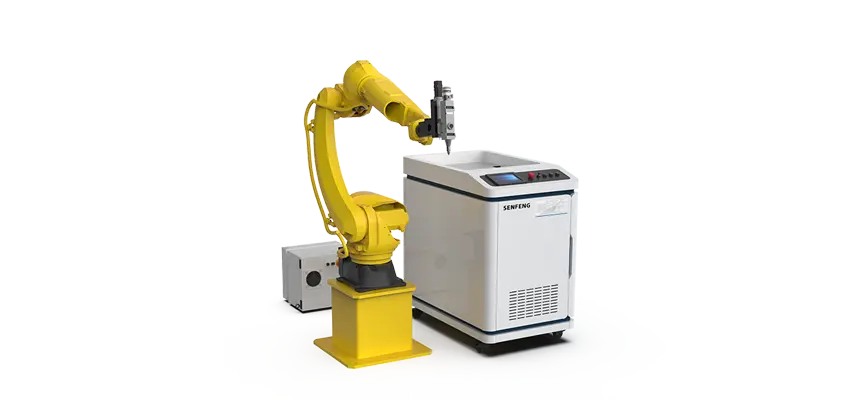
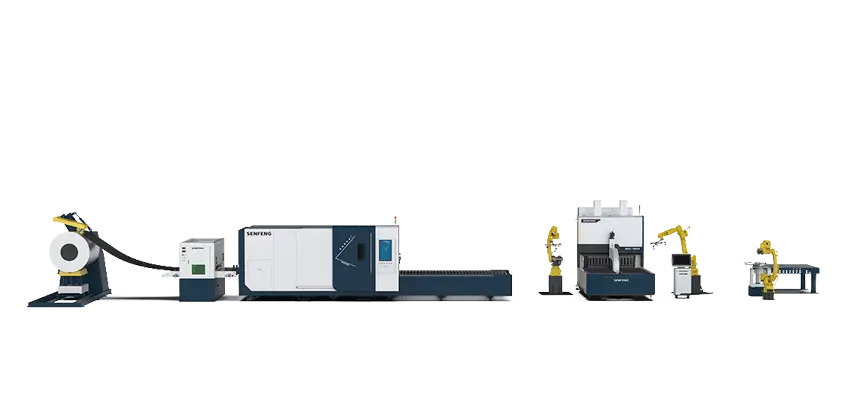
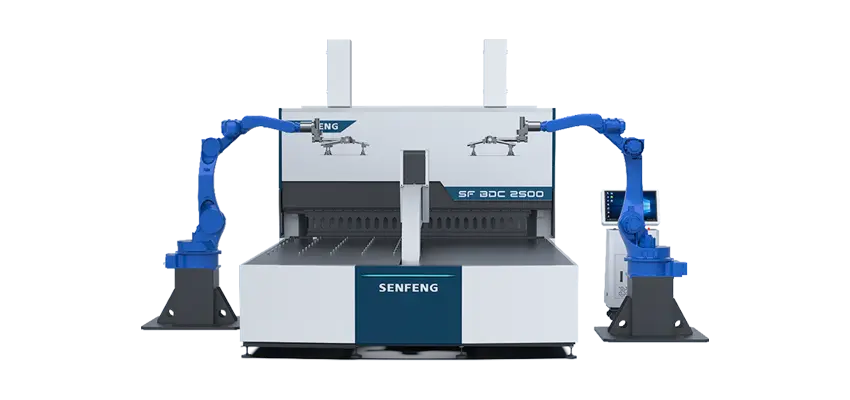
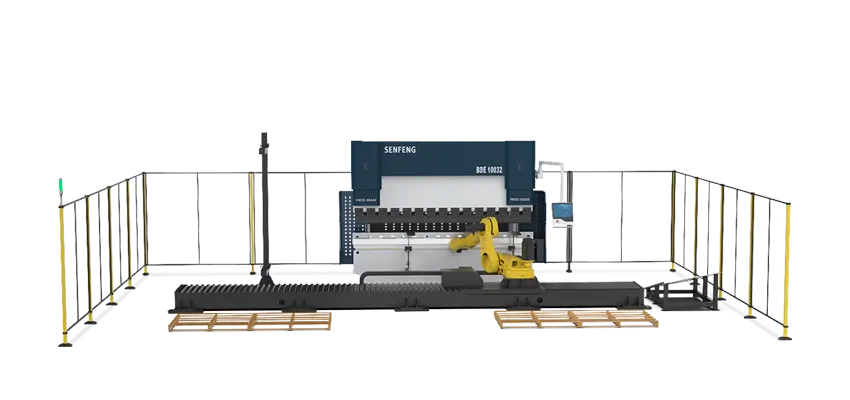
For manufacturers seeking to further reduce labor dependency, fully integrated robotic bending systems are increasing popular. For example:
Robot-assisted CNC Bending Machine – BDE10032
The BDE10032 uses a built-in industrial robot plus CNC control for automated loading/unloading and bending — delivering consistent high-precision metal bending, 24/7 operation, and reduced labor demand for high-volume production.
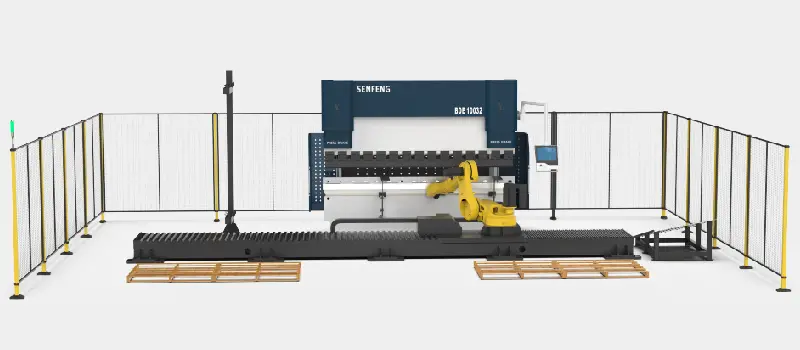
Robot-assisted CNC Bending Machine – BDE10032
Technical Parameters:
| Metal Plate Materials | Stainless Steel | Carbon Steel | Aluminum Plates |
| Bending Thickness | 2.5mm | 3.5mm | 5mm |
| Bending Length | 3200mm | ||
| Open Height | 480mm | ||
This integrated solution reduces labor dependency, stabilizes part handling, and supports high-volume production with minimal operator intervention.
V. Effective Operator Training
Even advanced machines cannot compensate for untrained operators. Effective training includes:
- CNC interface training: Operators learn to read programs, adjust sequences, and optimize bends.
- Simulation and step-by-step guides: Digital simulation allows practice of complex bends without wasting material.
- Standardized procedures: Clear instructions for loading, bending, and unloading reduce errors.
- Performance monitoring: Track errors and output per operator to identify improvement areas.
Outcome: Well-trained staff produce more parts per hour with fewer defects.
VI. Invest in Modern Press Brakes
Modern press brakes significantly reduce costs through automation, speed, and precision. Key features include:
Servo-electric drives and high-speed hydraulics: Faster bending cycles with lower energy use.
Automated sheet and tool handling: Semi-automatic or fully automated systems reduce labor dependency.
Integrated CNC bend sequencing: Pre-program complex sequences to save setup time and reduce first-piece errors.
Digital angle feedback: Real-time monitoring ensures consistent accuracy and minimizes scrap.
Material flexibility: Handles various thicknesses, stainless steel, and galvanized sheets without manual adjustment.
Choosing press brakes with advanced CNC systems, stable frames, and automation-ready designs is essential for long-term cost control and consistent production quality.
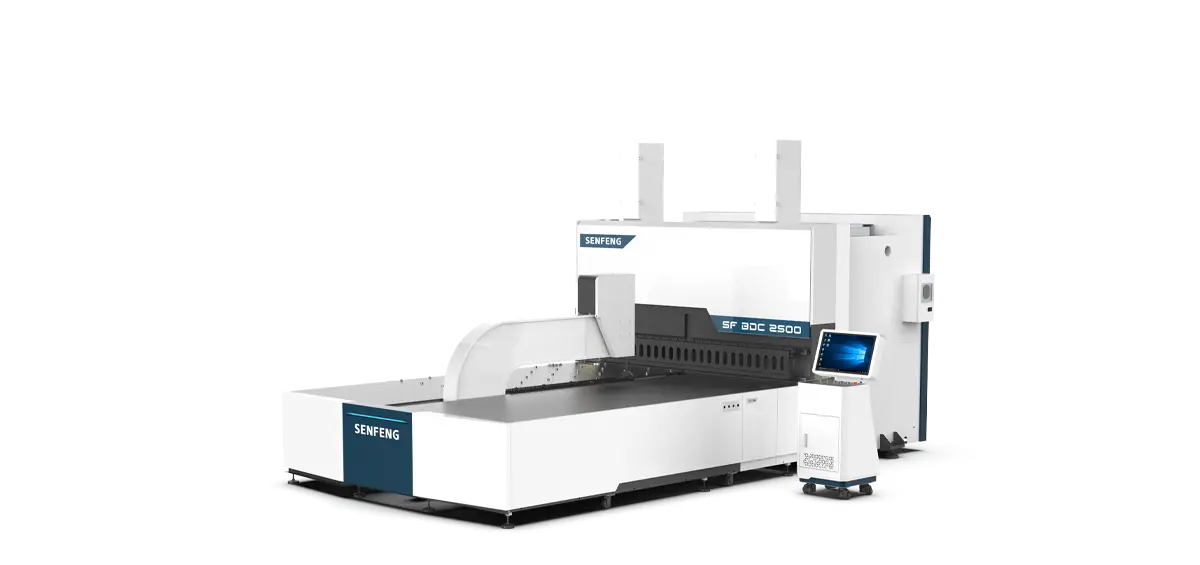
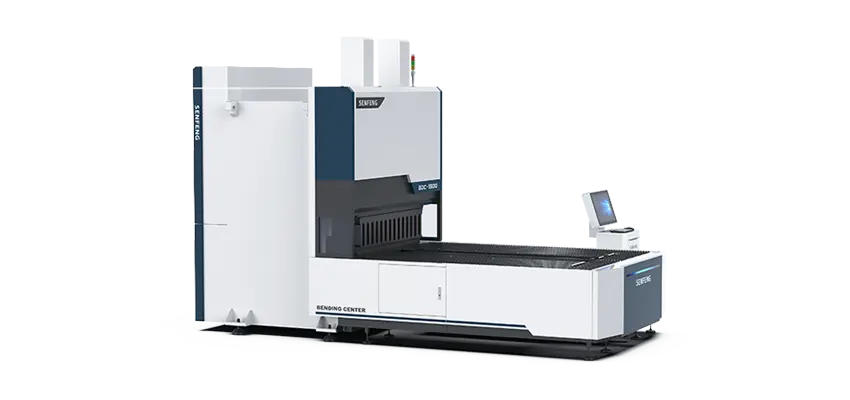
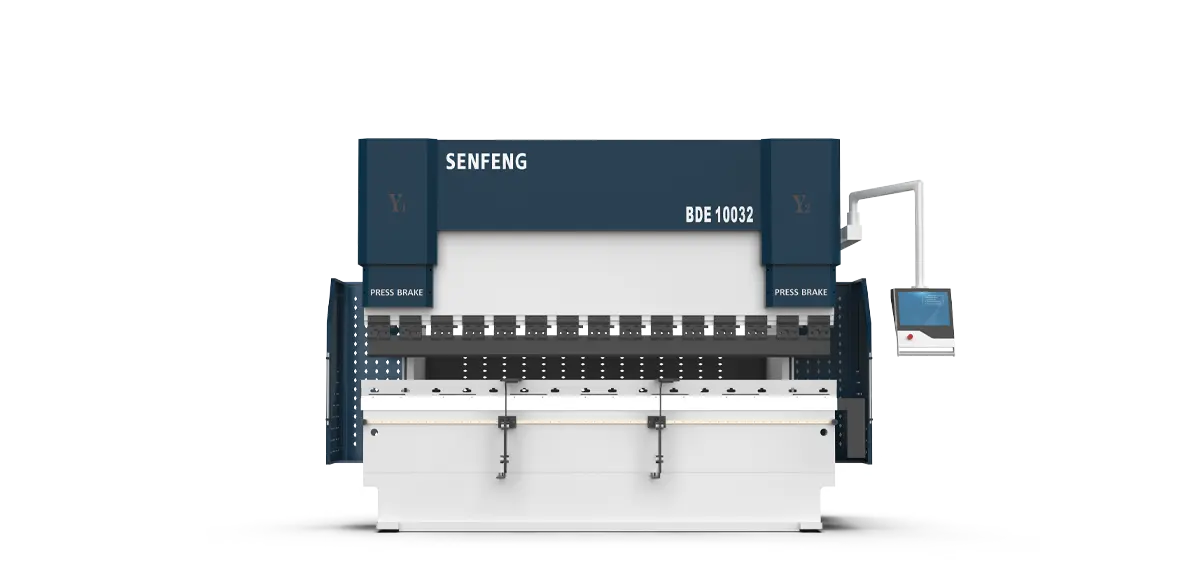
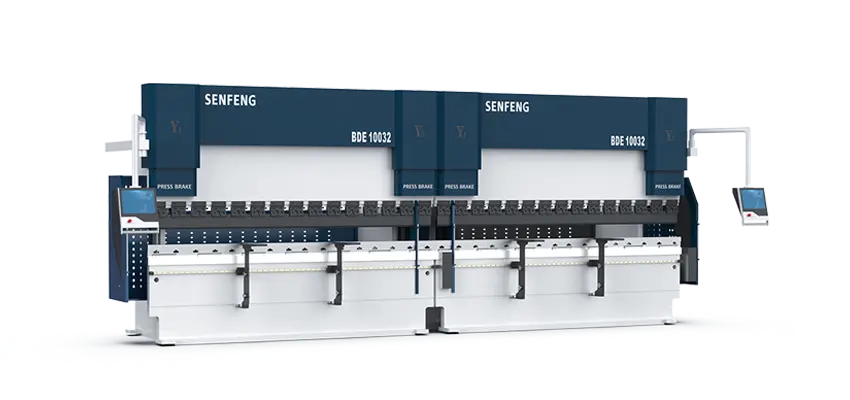
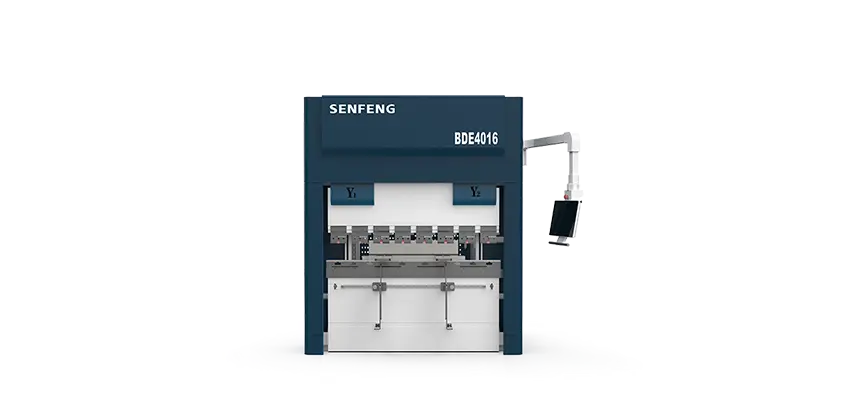
SENFENG modern press brakes offer efficient, stable, and repeatable bending processes. Features like CNC control, fast setup, and optional automation help reduce labor intensity, improve precision, and maintain consistent output.
Conclusion
Reducing bending costs requires:
- Optimizing labor and operator efficiency
- Minimizing setup time and material waste
- Improving machine utilization
- Selecting the right press brake with automation options
Implementing these strategies ensures lower costs, high throughput, and consistent quality. Upgrading to modern CNC or semi-automatic machines prepares your workshop for scalable and cost-effective bending operation.